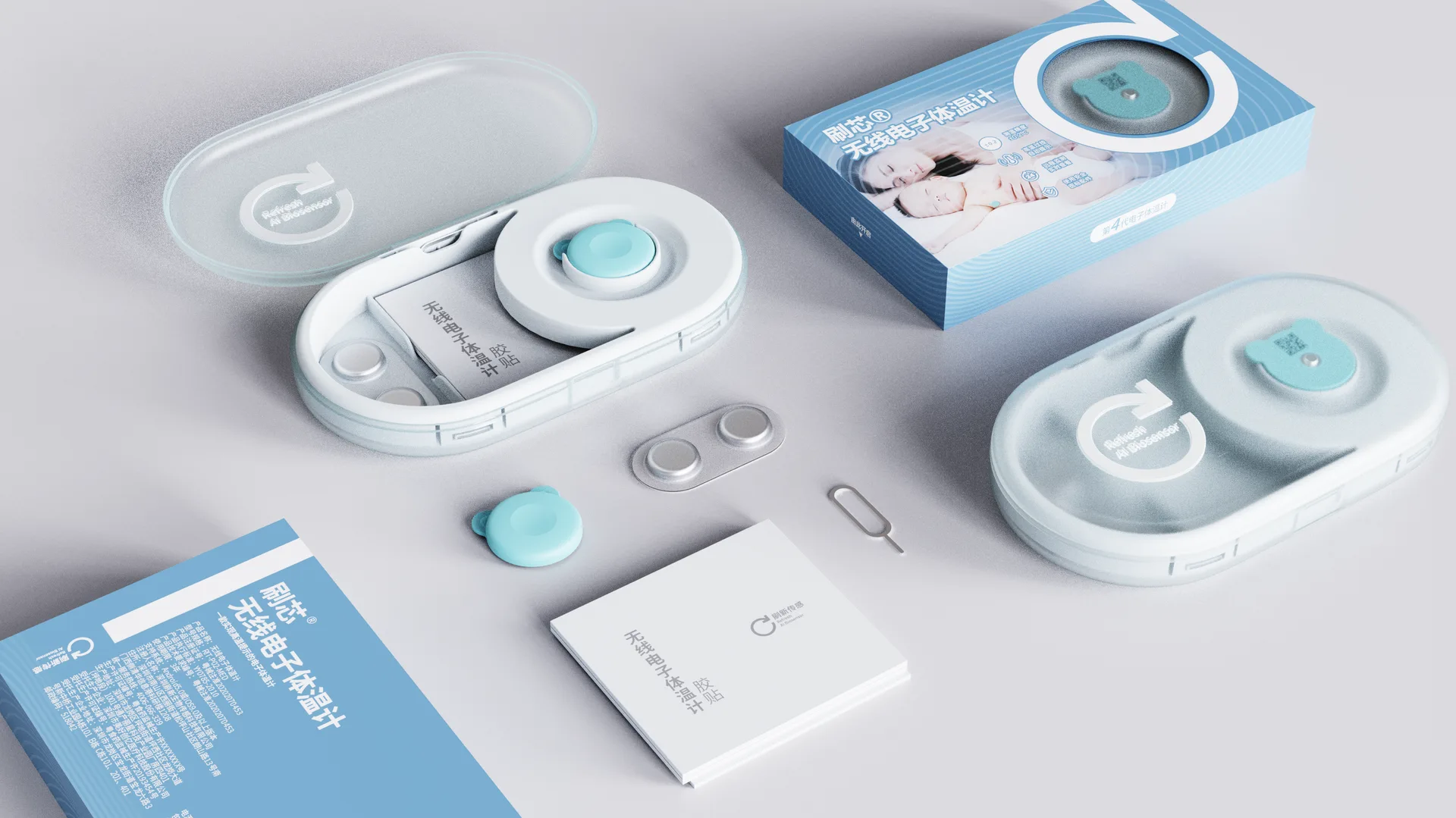
An elderly temperature monitor for continuous fever monitoring.
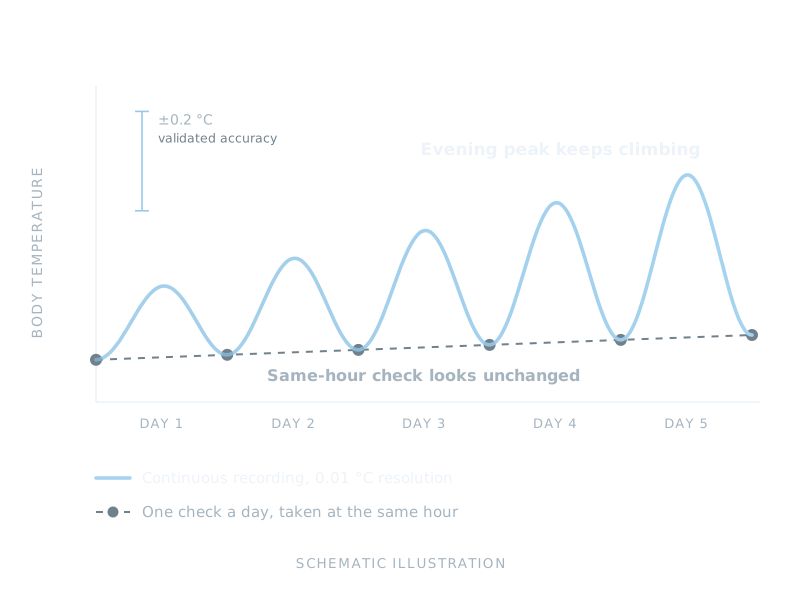
Older adults often show blunted fever responses — infections can escalate before anyone notices. Continuous monitoring catches the drift a daily spot-check misses.
Choosing an elderly temperature monitoring system seniors will use
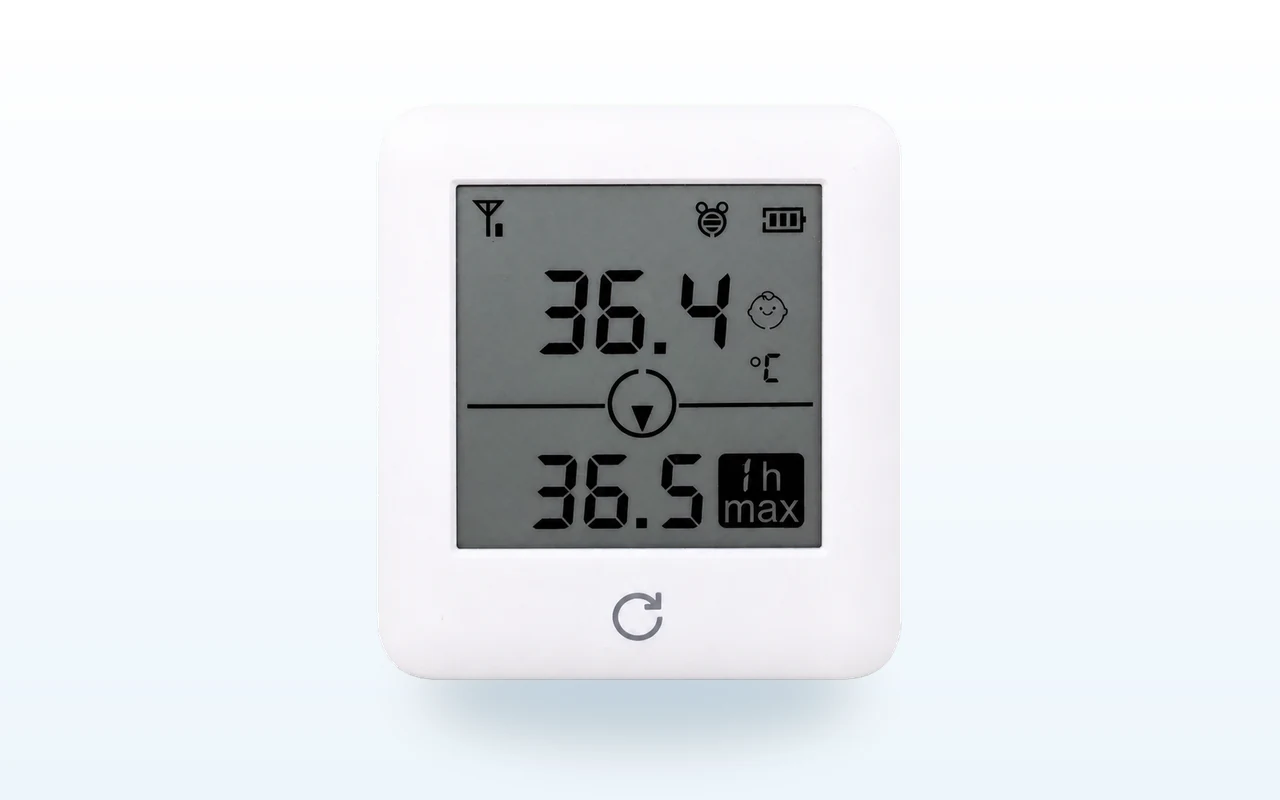
The P20 bedside terminal shows current temperature and the 1-hour peak on a large screen. No smartphone, pairing or menus are needed for everyday viewing.
A display, not an app
Keep the current temperature visible at the bedside, even when the senior does not use a smartphone. The large screen makes it easy for a nearby caregiver to check the reading without opening or managing a phone app.
Audible local alarm
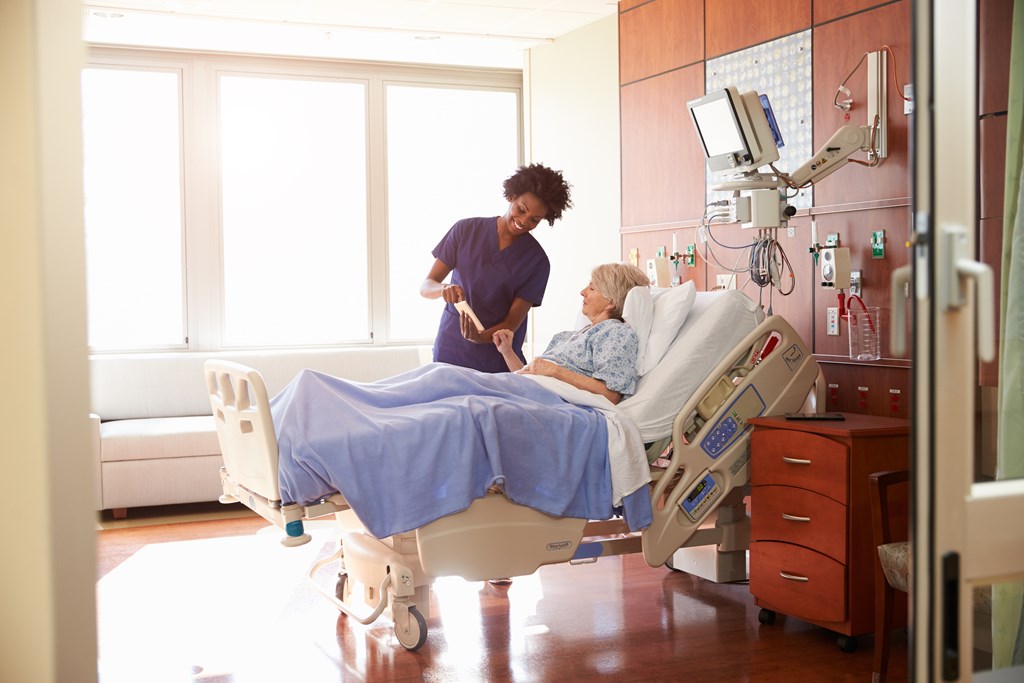
The terminal sounds a built-in alarm when temperature crosses the limit, alerting the senior or an on-site caregiver immediately.
Family watches from anywhere
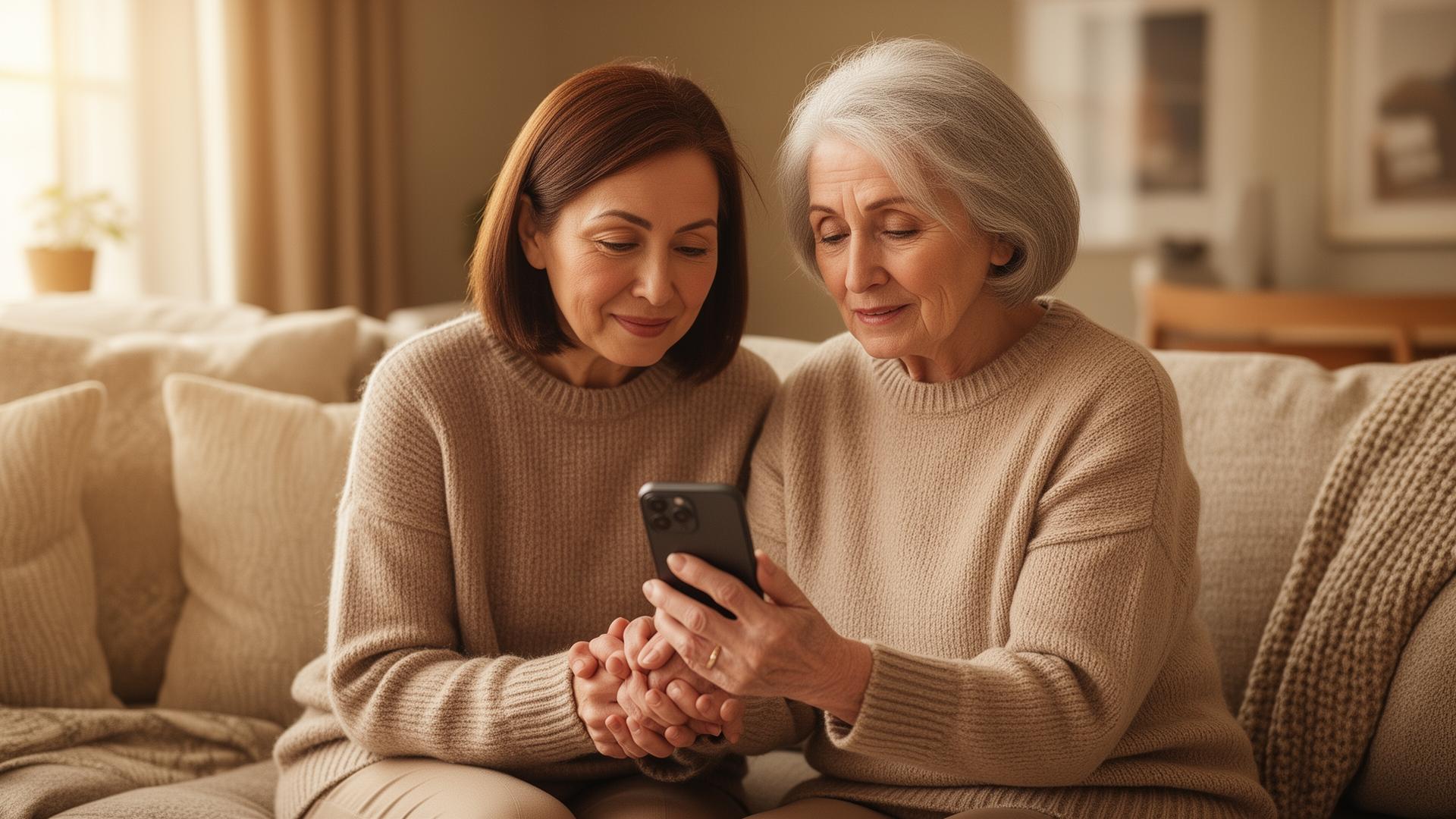
Adult children can see the same live readings in the app, whether they are in the next room or another country.
Clinically validated accuracy
Every sensor is individually calibrated before it ships and holds clinical accuracy through multi-day wear. With 0.01°C resolution, the trend view reveals the slow, gradual drift that matters most in elderly care — not just a single number at a single moment.
Continuous monitoring vs daily temperature checks for seniors
A daily reading is only a snapshot. Continuous monitoring helps families and care teams see gradual changes earlier.
| Daily manual check | Continuous monitoring | |
|---|---|---|
| Coverage | ✗ One reading, then a long gap | ✓ Samples every 5 seconds |
| Quiet fever changes | ✗ Easy to miss between checks | ✓ Trend remains visible |
| Senior involvement | △ Must remember to cooperate | ✓ Wear the sensor and carry on |
| Family response | △ Depends on the next visit or call | ✓ Alerts reach the right caregiver |
Ask about bedside terminal bundles, app localisation and volume pricing for your market.
Continuous fever monitoring for seniors
Built for fragile skin, and for a doctor who wants the trend.
Gentle on fragile skin
Hypoallergenic patches are designed for extended wear on older, more sensitive skin.
Up to 7 days per battery
Apply once and keep the sensor working through a full week of monitoring.
A trend for the doctor
Export the temperature curve so a doctor can review the pattern, not just one reading.
Elderly temperature monitoring FAQs
Can an elderly person use P20 without owning a smartphone?
Yes. The bedside terminal is a standalone display that needs no smartphone, no app and no pairing — it shows live temperature and the 1-hour peak automatically, with a built-in alarm. The companion app is optional, typically used by a family member monitoring remotely rather than by the senior themselves.
How does remote temperature monitoring work for a parent who lives alone?
The sensor and bedside terminal handle local display and alarms, while the companion app on a family member's phone shows the same live readings and receives the same threshold alerts, regardless of distance. No action is required from the senior beyond wearing the sensor.
Why is fever detection harder in elderly patients?
Immune responses tend to weaken with age, so an infection that would cause a sharp fever in a younger person may only produce a mild, gradual temperature rise in an older adult. A once-daily check can miss that gradual drift entirely, which is the main argument for continuous rather than periodic monitoring in elderly care.
Is the sensor comfortable for continuous wear on older or fragile skin?
The skin patch is hypoallergenic and designed for continuous multi-day wear; the sensor itself weighs 2 grams. As with any adhesive worn continuously, we recommend checking the application site periodically, particularly for residents with especially sensitive or fragile skin.
Can this be used for a whole senior living facility?
Yes. Multiple P20 sensors can send readings through Bluetooth gateways to a staff console, giving the facility one view of its monitored residents.