Body temperature sensor SDK for your own app or platform
Continuous body temperature is a data stream almost no product can produce on its own. Our SDK hands it to yours — the live reading, and the overnight curve behind it — so temperature becomes a feature you ship rather than a device you have to build.
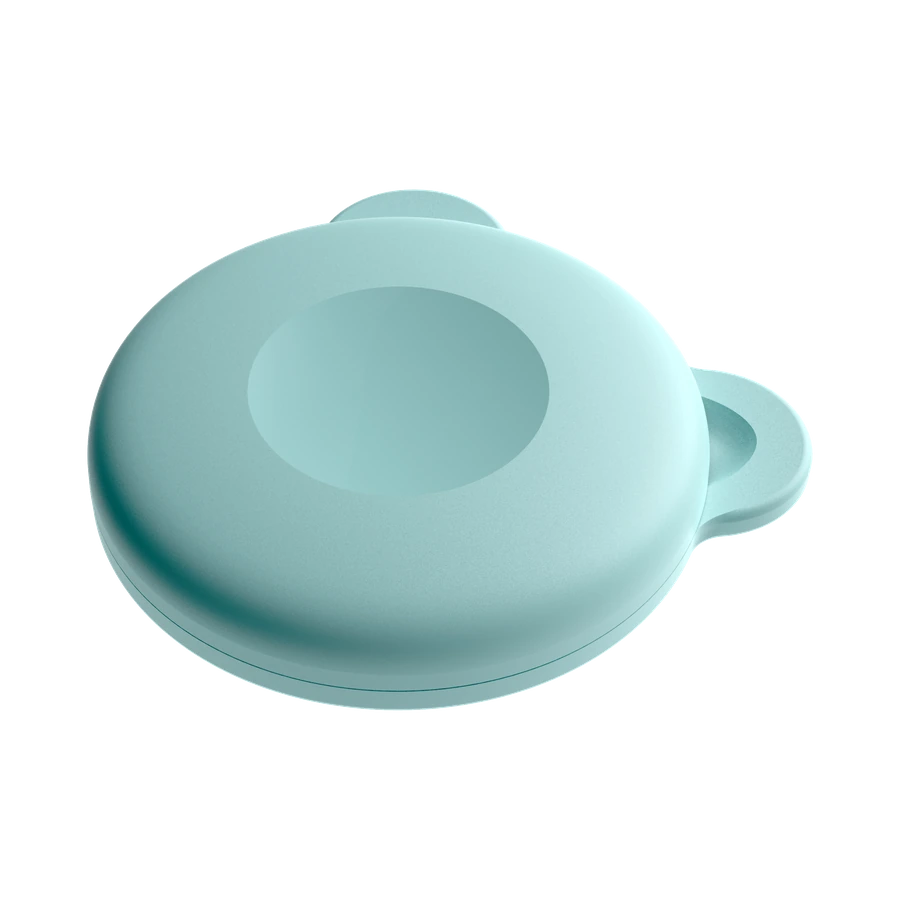
BLE · continuous temperature stream
every 5 s · ±0.2 °C · 7 days
- Your app
- Your platform
- Your device
What data can you get
A temperature stream, and the history behind it. Your product decides what counts as an alert.
The live reading
Body temperature every few seconds while the sensor is worn, arriving as it happens rather than as a number someone typed in after the fact.
The overnight curve
The history a sensor holds while your app is closed or the phone is out of range, synced when it reconnects. Your product shows the whole night, not only the part it was watching.
Who is it for
Any system that needs continuous body temperature without asking the user to measure it.
Consumer health and family-care apps
Where a parent wants the night covered without waking anyone to check.
Children's wearables and smartwatch ecosystems
Adding a health data stream that families actually open the app for.
Telehealth and remote patient monitoring
Following patients at home in the weeks between appointments.
Hospital and facility software
Systems that need temperature at bed scale rather than one reading at a time.
Elderly care and senior living operators
Running their own resident platform across rooms, floors and sites.
Clinical research and study platforms
Where an unbroken temperature record is the data the study is built on.
How you get access, from first call to launch
What has to happen before the SDK is released.
Scope call
Your use case, target platforms and data needs, mapped to the integration surface that fits. This is where your team sizes the work.
Agreement
The SDK opens once a commercial contract is signed against an agreed purchase volume. That is the gate, and it is what everything before it is working towards.
SDK & device
The libraries, the documentation and the device itself go to your development team.
Review & launch
Our engineers go through your data flow with you before you ship, then keep firmware and SDK updates coming.
Tell us your platform, use case and data needs — our engineering team will map it to the right integration surface.
Body temperature sensor SDK FAQs
Can our backend receive the data instead of our app?
The SDK is the standard route and it is what most integrations use. Server-side access is possible, but it is scoped project by project rather than offered as a general API — tell us what your platform has to do with the data and we will tell you whether it fits.
Has P20's wearable sensor integration been used in production before?
Yes. The same SDK architecture is integrated with a leading children's smartwatch ecosystem for family temperature sharing, and our gateway/console interfaces already feed hospital monitoring dashboards in clinical deployments.
Can we see the SDK and its documentation before we sign?
No — the libraries, the documentation and the device are released once a commercial contract is signed against an agreed purchase volume.
Do you support system-level integration for hospital or facility software?
Yes — gateway and console interfaces are available for facility systems that need ward-scale data, alongside the mobile SDK that app-level integrations build on.