A continuous fever screening system for schools and workplaces.
Forehead guns at the door catch a fever once a day. Wearable continuous monitoring watches the whole group, all day — and flags the first sign of a cluster.
Continuous fever screening vs gate checks
An entrance check is one snapshot. A continuous fever screening system follows the group throughout the day.
| Gate temperature check | Continuous screening | |
|---|---|---|
| Timing | ✗ At entry only | ✓ Throughout the day |
| Queues | ✗ Creates a morning bottleneck | ✓ No repeated screening line |
| Cluster visibility | △ Paper logs reviewed later | ✓ Alerts and groups shown digitally |
Get a deployment plan and volume pricing for schools, factories and offices.
Continuous fever monitoring across a school or worksite
A site can have it running in a day, and reporting from the first one.
All-day group monitoring
Everyone wearing a P20 is monitored continuously — the moment anyone crosses the threshold, staff know.
Dashboard for the whole site
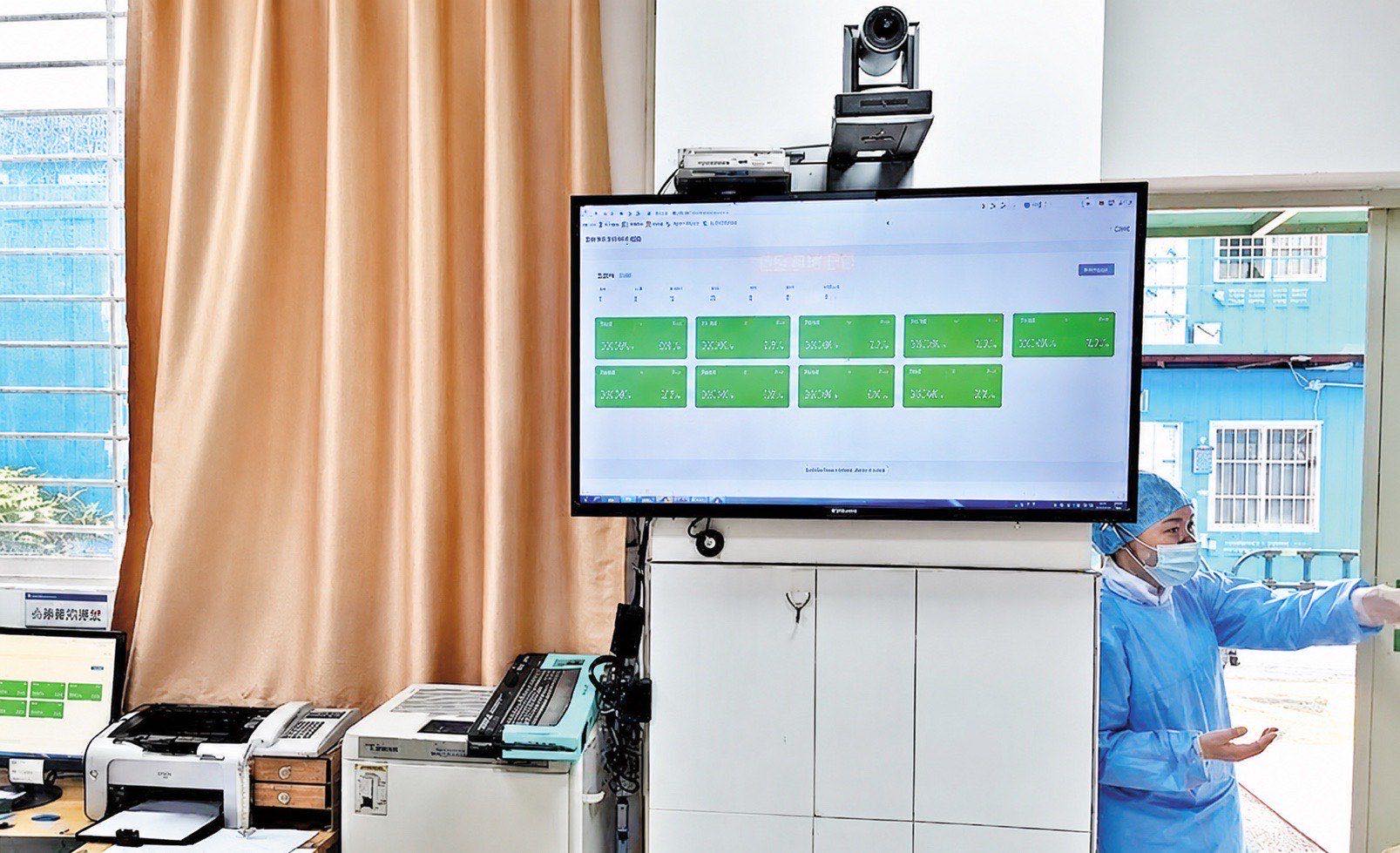
A single dashboard shows every monitored person, with alerts and trends grouped by class, floor or team.
Deploys in hours
Stick-on sensors and plug-in gateways — a site can be live the same day the decision is made.
Proven deployment model
The same platform has run at 50+ site multi-location scale and behind a Games venue.
Digital reporting records
Automatic records can support internal review and local health-authority reporting.
Classroom to campus scale
Start with one group and expand across classrooms, floors or teams.
Choosing a continuous fever screening system
What to settle before a screening system rolls out across a site.
Talk to our team- 01
Cover the whole day
Monitoring continues after entry, when a student or worker may develop a fever later in the day.
- 02
Group people by location
Organise alerts and trends by classroom, floor or team so staff can see where attention is needed.
- 03
Launch without a wiring project
Stick-on sensors and plug-in gateways keep the initial rollout simple when time matters.
- 04
Keep digital screening records
Automatic histories make internal review and cluster reporting faster than paper logs.
Fever screening system FAQs
How is a continuous fever screening system different from a temperature-check gate?
A gate check captures one reading per person per day, typically at entry. A continuous system monitors each wearer throughout the day via a wearable sensor, so a fever developing after the morning check is still caught and flagged in real time.
How quickly can workplace temperature screening be deployed?
Deployment uses stick-on sensors and plug-in gateways with no wiring required — the same no-wiring model used across 50+ locations in our Guangzhou multi-site case study, and a single site can typically be live within days. Exact timelines depend on site size and layout.
Can the system distinguish between different classrooms, floors or teams?
Yes. The dashboard can group monitored individuals by classroom, floor or team, so staff can see at a glance where an alert originated rather than having a single undifferentiated list.
Does continuous temperature screening produce records for review?
The system generates digital records automatically as it monitors, which can support internal review and any reporting your organisation requires — specific reporting formats should be confirmed against your local requirements.
Can the system scale up and down as needs change?
Yes — the same sensors and dashboard can run as routine health monitoring for a single class or team, and scale up quickly across classrooms, floors or sites when broader coverage is needed.