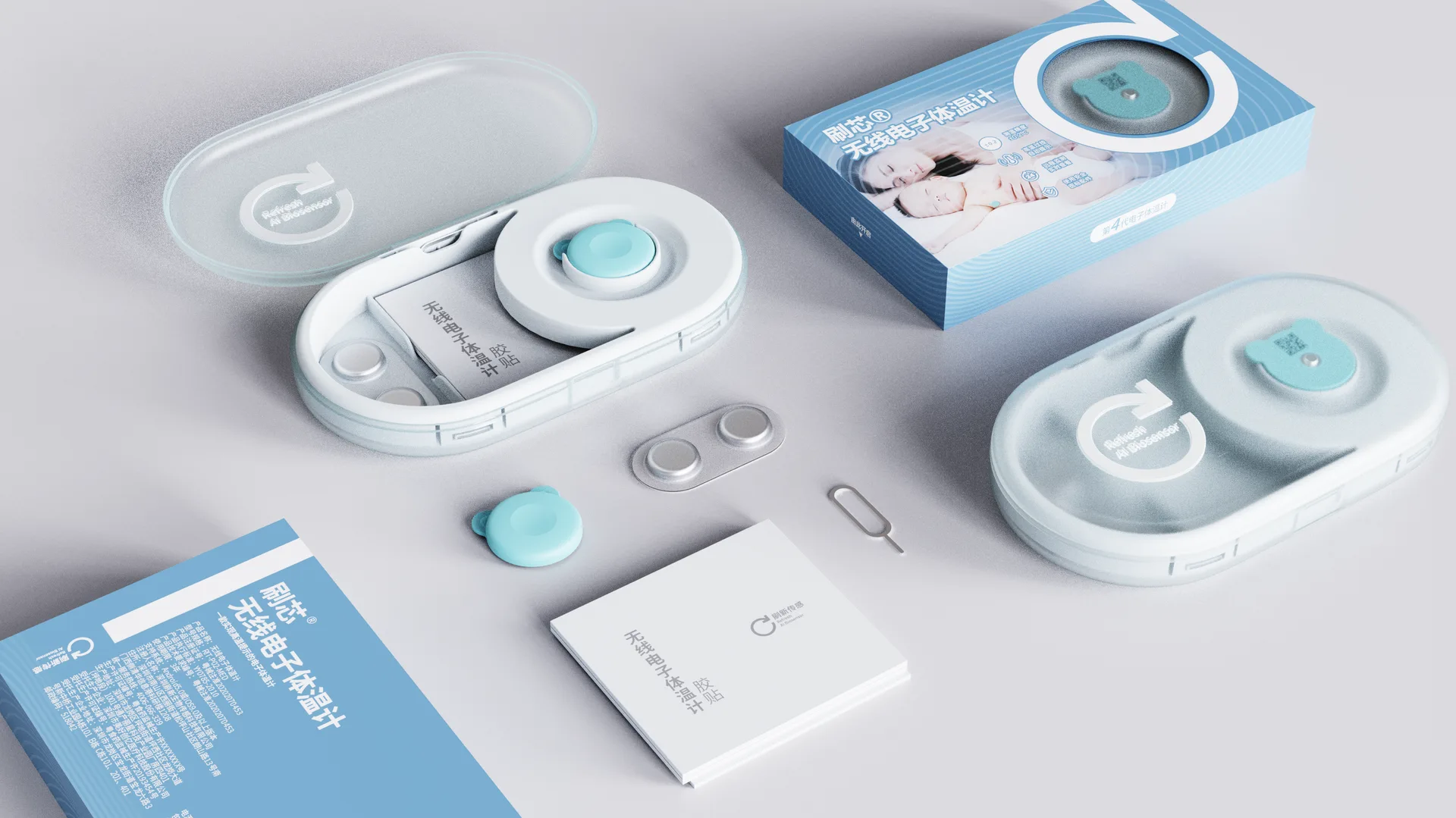
A home temperature monitor for recovery and fever watch.
Recovery increasingly happens at home — after surgery, chemotherapy, or a hospital discharge. P20 brings continuous temperature monitoring home with it.
Home temperature monitor vs manual checks after discharge
Manual checks provide snapshots. Continuous monitoring keeps the recovery trend visible between visits and phone calls.
| Manual home checks | Continuous monitoring | |
|---|---|---|
| Coverage | ✗ One reading, then a gap | ✓ Samples every 5 seconds |
| Overnight changes | ✗ Easy to miss while everyone sleeps | ✓ Trend remains visible |
| Caregiver response | △ Depends on the next check-in | ✓ Alert when the threshold is crossed |
Request samples, spec sheets and volume pricing for home recovery monitoring.
Continuous fever monitoring at home
One sensor for the whole household, and a record your doctor can read.
24/7 automatic monitoring
Every 5 seconds, day and night — the vigilance of a hospital ward without anyone having to stay awake.
Instant threshold alerts
The moment temperature crosses the limit you set, the household phone buzzes — and remote family members see it too.
A record your doctor can use
Bring the exact temperature history to follow-up appointments, or send it ahead of a telehealth consult.
Reusable across the household
Use the sensor with a fresh patch for each person, with an alert threshold set for that individual.
One platform, different caregivers
Children, adults and seniors can be monitored through the same P20 setup.
Bedside option for simple viewing
Add the bedside terminal when the person being monitored does not use a smartphone.
Choosing a home temperature monitor
Discover what you can do with P20 body temperature monitor after discharge.
Talk to our team- 01
Monitor the recovery window
After surgery or treatment, a small temperature change can matter. Continuous readings show whether it is stable or moving upward.
- 02
Keep family in the loop
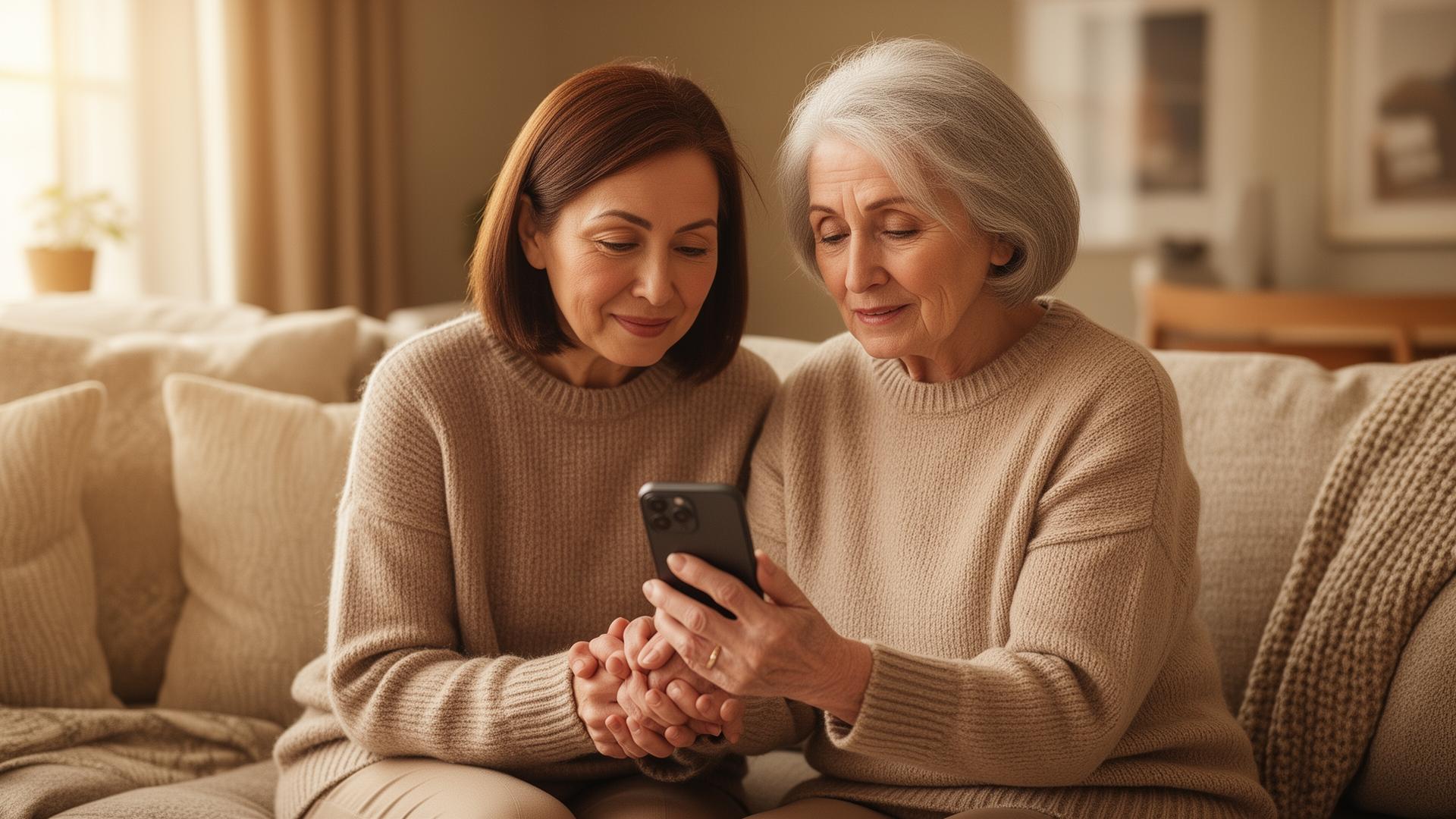
Family caregivers can follow live readings and receive alerts without being in the same room.
- 03
Bring a useful record to follow-up
Export the temperature curve for a doctor or telehealth appointment. It shows when the change began and how it developed.
- 04
Set alerts with your care team
Ask the patient's care team which temperature should trigger an alert. The threshold may differ after surgery, during chemotherapy recovery, or for other high-risk conditions.
Home temperature monitoring FAQs
How does home temperature monitoring help after surgery?
A wearable sensor tracks temperature continuously through the recovery window rather than relying on periodic manual checks, so a post-operative fever is caught close to when it starts rather than at the next scheduled check. The full curve is also available to show the surgical team at follow-up.
Can this be used for remote patient temperature monitoring across a household?
Yes. The companion app supports family sharing, so any caregiver in the household — or a family member checking in remotely — can see live readings and receive the same threshold alert without needing to be physically present.
Is P20 suitable for monitoring a patient during chemotherapy recovery?
P20 is a continuous temperature monitoring device; whether it's an appropriate tool for a specific chemotherapy recovery plan should be confirmed with the patient's oncology team, particularly regarding the alert threshold, since fever during immunosuppression can require urgent attention.
How do I choose the right alert threshold for a recovering patient at home?
This should be set based on guidance from the patient's care team rather than a generic default, since appropriate thresholds vary by procedure, condition and immune status. The app lets you set a custom threshold per person.
Can one P20 kit cover multiple people recovering in the same household?
The sensor is reusable with a fresh patch per person, so one kit can serve different family members over time, though each person should be monitored with their own appropriately set alert threshold.