A patient temperature monitoring system for every hospital bed.
Manual temperature rounds sample each patient a few times a day. The P20 system samples every patient every 5 seconds — and tells the nurse station the moment anyone trends wrong.
Patient temperature monitoring system vs manual rounds
A manual round checks a patient at one moment. Continuous monitoring keeps every bed visible between rounds.
| Manual temperature rounds | Continuous patient monitoring | |
|---|---|---|
| Bed coverage | ✗ A few checks per day | ✓ Every monitored bed, continuously |
| Night care | ✗ Rounds can disturb patients | ✓ Alerts without routine wake-ups |
| Records | △ Manual transcription | ✓ Automatic exportable history |
Get deployment specs, gateway counts and per-bed pricing for your facility.
Continuous body temperature monitoring across every bed
What a ward gets on the first day, and what it stops doing by hand.
One screen for the whole ward
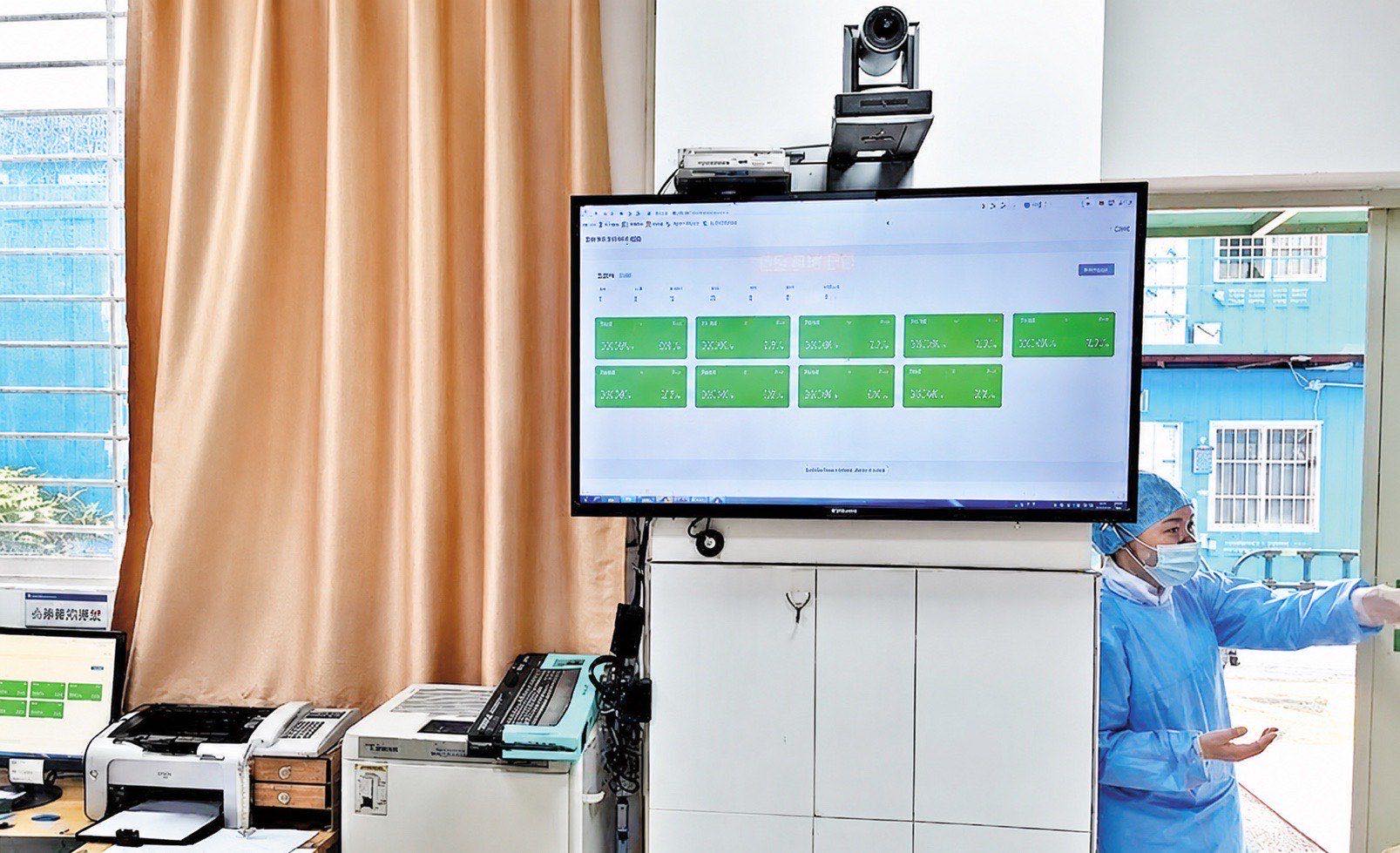
The nurse console shows live temperature for every monitored bed, with abnormal trends surfaced automatically.
Alerts to the station, instantly
Threshold crossings and abnormal patterns trigger alerts at the nurse station — not at the next scheduled round.
Automatic records
Continuous readings flow straight into exportable records — no clipboards, no transcription.
Plug-and-play ward coverage
Bluetooth gateways cover the ward without a new wiring project.
Patient assignment in the console
Assign each sensor to one patient through the staff console.
Start with one pilot ward
Validate the workflow in one ward before scaling to the rest of the facility.
Choosing a patient temperature monitoring system
What to settle before a ward system goes to procurement.
Talk to our team- 01
See every bed between rounds
Continuous readings keep patient status visible overnight and between scheduled checks.
- 02
Focus nurses on exceptions
Staff respond to alerts instead of walking the ward just to collect routine readings.
- 03
Start with one pilot ward
Gateways plug in, sensors are assigned in the console, and the workflow can be tested before wider rollout.
- 04
Keep complete patient records
Automatic temperature histories support handoffs, follow-up and clinical documentation without manual transcription.
Patient temperature monitoring system FAQs
How does a patient temperature monitoring system integrate with a hospital ward?
Bluetooth gateways installed around the ward relay sensor readings to a cloud dashboard and nurse console. Sensors are assigned to individual patients through the console, and staff view live readings and alerts from one screen rather than checking each bed manually.
Does deploying this system require an IT infrastructure project?
No. Gateways are plug-and-play and connect over Bluetooth without requiring new wiring or network build-out. Most facilities start with a single pilot ward, which can typically go live within days rather than requiring a lengthy IT rollout.
Can continuous monitoring really replace manual temperature rounds entirely?
It replaces the routine, scheduled rounds used purely to check status — staff still respond directly to any patient once an alert fires. In practice this shifts nursing time from walking a fixed schedule to responding to actual events flagged by the system.
What accuracy can a hospital expect from wireless patient temperature monitoring?
P20 is registered as a Class II medical device (NMPA), and each sensor passes individual calibration before shipping, holding accuracy to within ±0.2°C. In ward use its readings track standard clinical thermometers, while continuous sampling adds what no spot device provides — the trend between rounds.
Is there a record generated automatically for each monitored patient?
Yes. Continuous readings flow into an exportable temperature history for each patient automatically, removing the need for manual transcription from a bedside device into a chart.
Explore the platform