Digital Temperature Monitoring System

Monitor every bed. From one screen.

P20 wearable sensors, Bluetooth gateways, a cloud dashboard and a nurse console — a complete, plug-and-play system for continuous temperature monitoring at facility scale.

5 s
Recording interval, every patient
24/7
Automatic monitoring & alerts
0
Manual temperature rounds
System architecture

Four components of a wireless temperature monitoring system

1

P20 sensors on patients

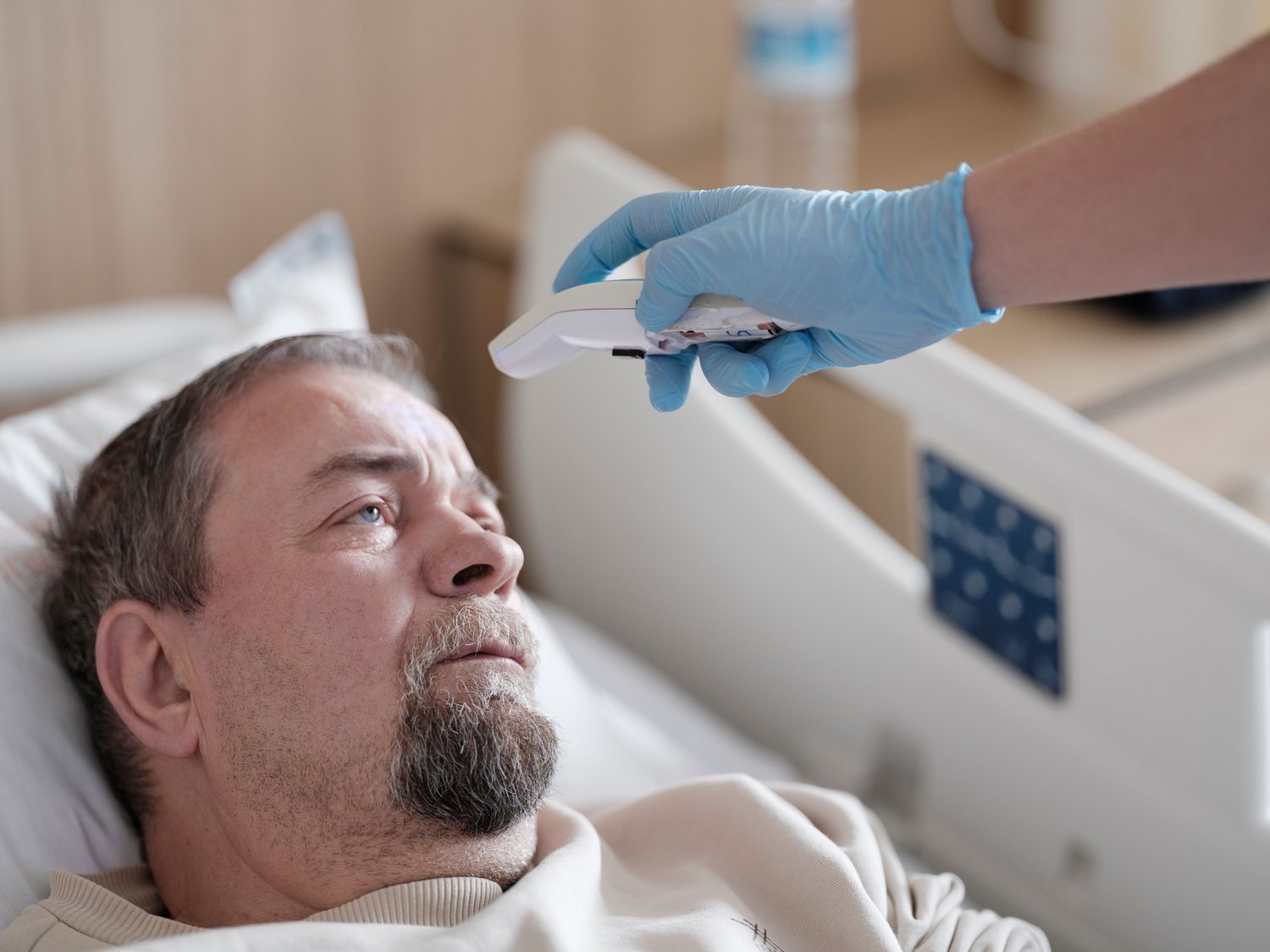
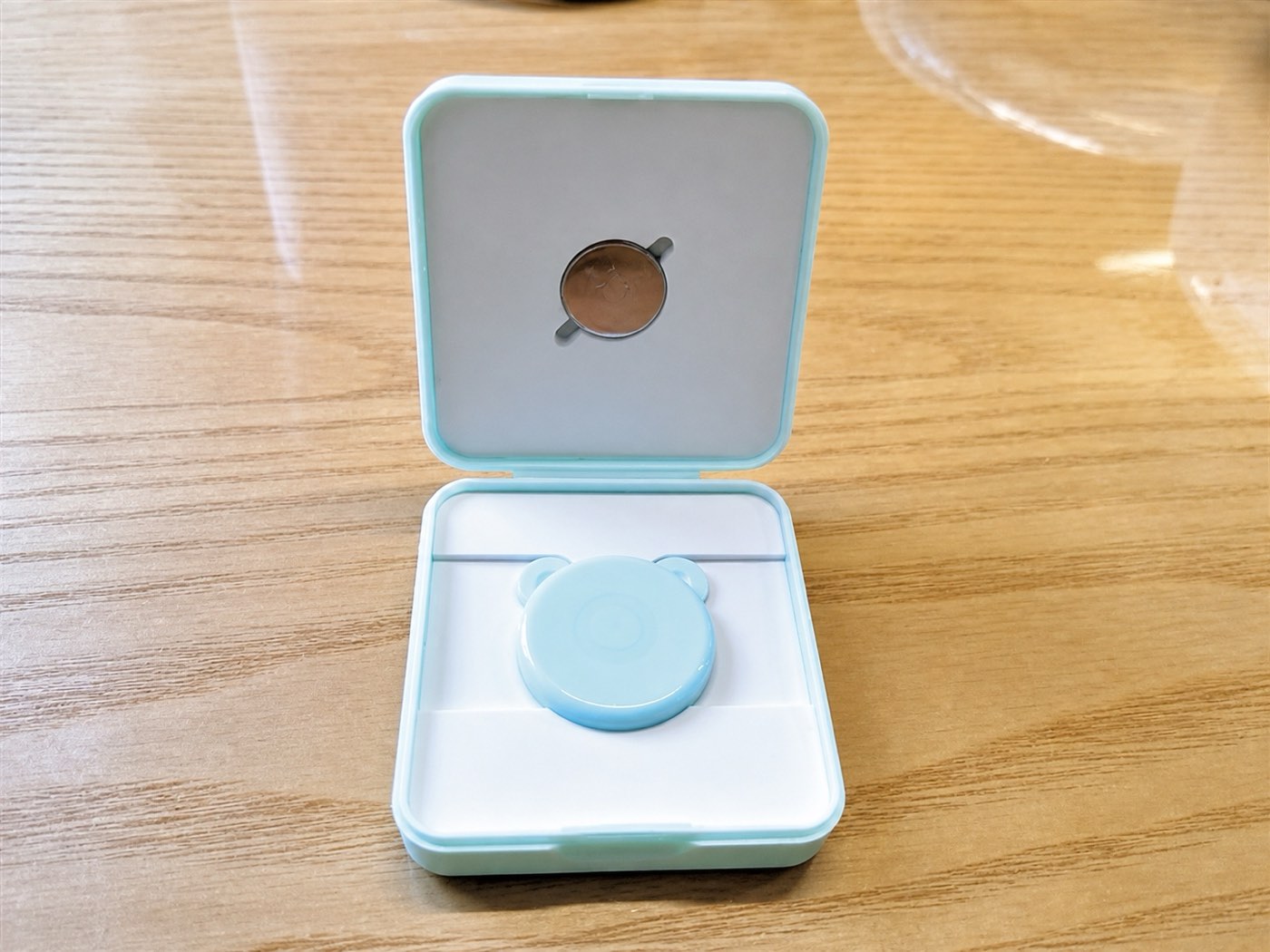
Each patient wears a 2g P20 sensor under the arm — hypoallergenic patch, 7-day battery, no wires.

2

Bluetooth gateways in wards

Ceiling- or wall-mounted gateways collect readings from every sensor in range. No hospital IT integration required to start.

3

Cloud platform

Readings stream to the cloud dashboard: live ward map, trend curves, threshold alerts and full history for every patient.

4

Nurse console

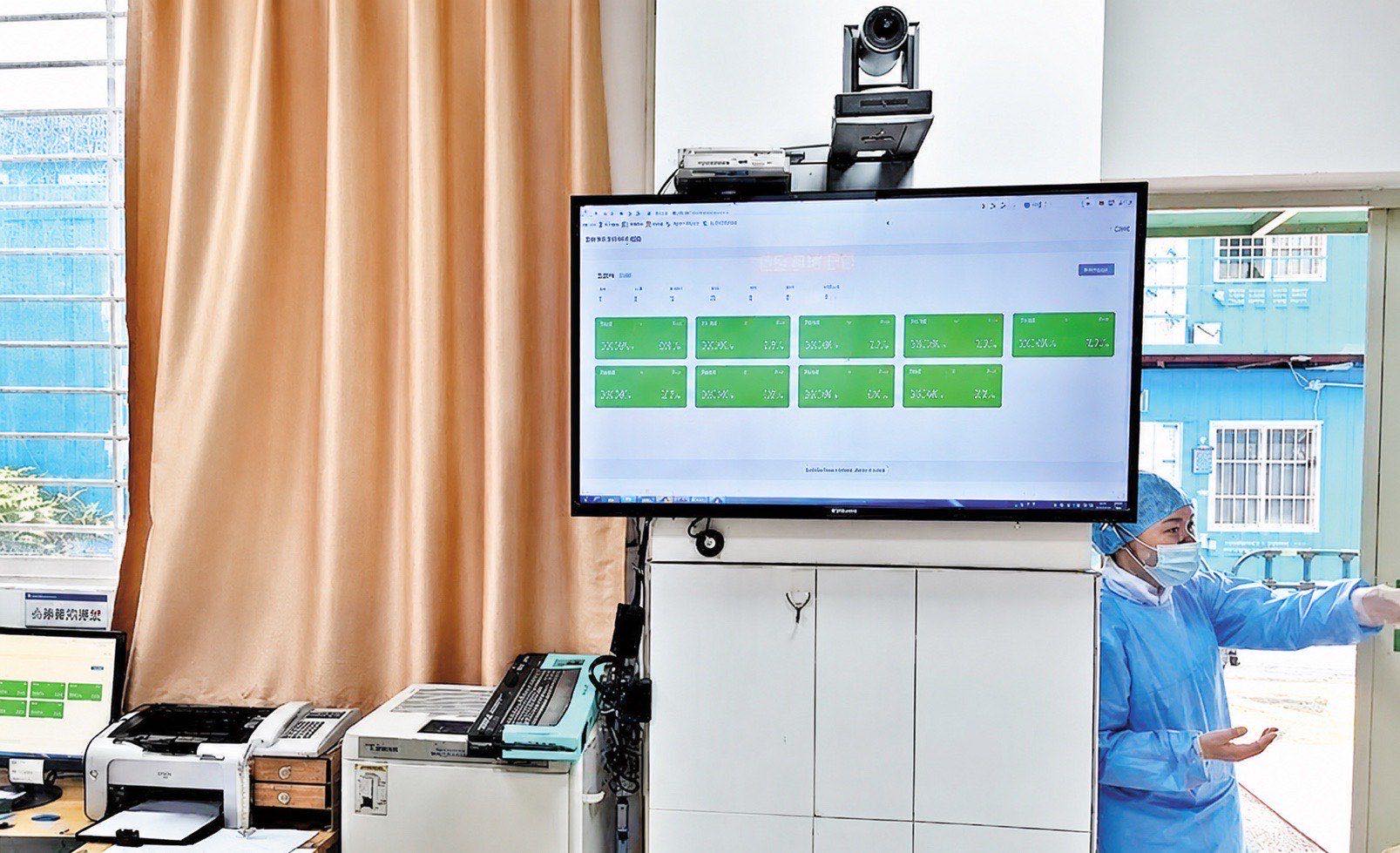
The station screen shows every monitored patient at a glance, and raises audible alerts the moment any temperature crosses its threshold.

Why facilities switch

What continuous body temperature monitoring replaces

Manual rounds, eliminated

Routine temperature rounds disappear. Nurses respond to alerts instead of walking schedules, and patients sleep undisturbed.

Spikes never missed

A fever spike between two rounds is invisible on paper. At a 5-second interval, it's on the dashboard the moment it happens.

Records, automatically

Every reading is logged and exportable — charting, audits and handovers stop depending on handwriting.

Contact reduced

In isolation and quarantine settings, staff monitor from outside the room — fewer entries, less PPE, lower exposure.

In-hospital clinical deployment

A central temperature monitoring dashboard for clinical teams

The system has run in hospitals, quarantine facilities and large-scale public health deployments across China — including the 2022 Beijing Winter Olympics.

  • Class II medical device (NMPA) with clinically validated ±0.2°C accuracy
  • Per-patient alert thresholds set by clinical staff
  • Full temperature history export for records and research
  • Deployment support and training from our clinical team
Read the deployment case studies
In depth

How a wireless temperature monitoring system fits a facility

What a central temperature monitoring dashboard actually shows

Rather than a single number per patient, the dashboard aggregates every monitored bed's live reading, trend and alert status onto one screen. Staff can see at a glance which patients are stable, which are trending toward a threshold, and which have already crossed one — replacing the mental model of "I'll find out at the next round" with real-time visibility across the whole monitored area.

The nurse station monitoring dashboard as the operational center

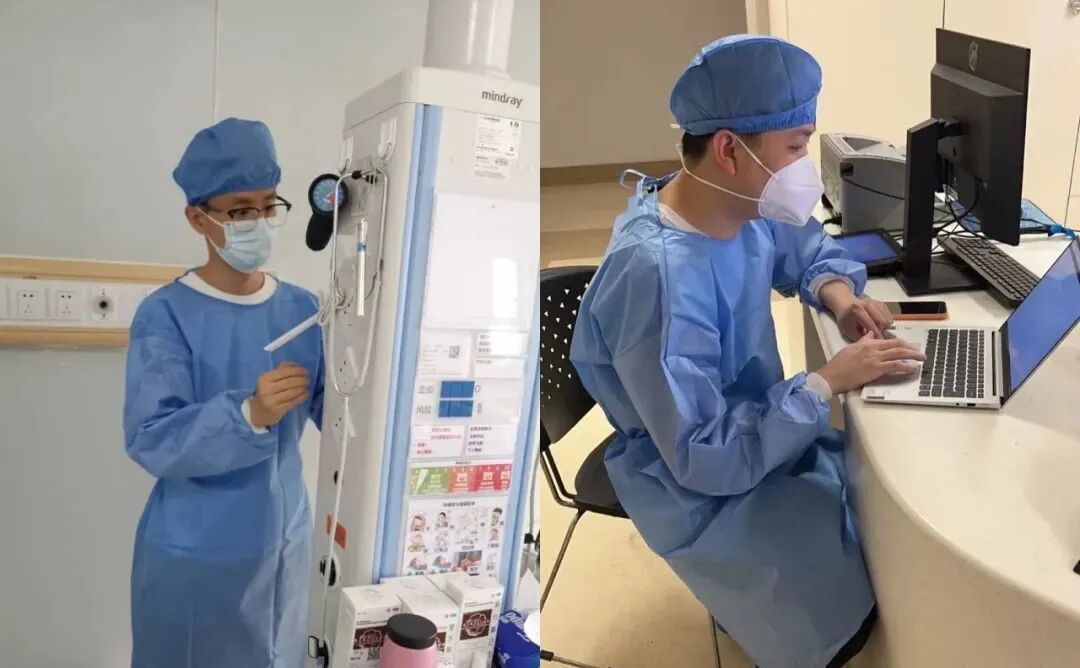
The console at the nurse station is where alerts land and where sensors are assigned to individual patients. It's designed to be learned in a single session — assign a sensor, set a threshold, respond to an alert — rather than requiring specialized training or a dedicated technician to operate day to day.

Continuous vital signs monitoring at whatever scale you need

The same underlying gateway and dashboard architecture that supports one pilot ward scales to multiple departments as facilities expand deployment, without a different system for each scale. This matters for facilities that want to start small and prove the workflow before a wider rollout, rather than committing to a facility-wide system upfront.

Deployment without an IT infrastructure project

Bluetooth gateways plug into standard wall sockets and require no new wiring or network build-out, which is why a pilot ward can typically be live within days rather than requiring a lengthy procurement and IT integration cycle. This plug-and-play design is a deliberate choice to remove the usual barrier to piloting new clinical technology.

FAQ

Wireless temperature monitoring system questions

What does a wireless temperature monitoring system include?

P20 wearable sensors, Bluetooth gateways to relay readings, a cloud dashboard showing every monitored bed, and a nurse station console for assigning sensors and responding to alerts.

How many patients can one dashboard monitor at once?

The dashboard is designed to scale from a single pilot ward to multiple departments — the architecture doesn't change with scale, only the number of gateways and sensors deployed.

Does the system require new network infrastructure?

No. Gateways are plug-and-play over standard wall sockets and communicate over Bluetooth, without requiring new wiring or a network build-out project.

Can we start with a small pilot before a facility-wide deployment?

Yes — this is the typical path. A pilot ward validates the workflow, and the same configuration replicates to additional wards once proven.

How does staff training work for the nurse console?

The console is designed to be learned in a single onboarding session covering sensor assignment, threshold configuration and alert response, without requiring specialized technical training.

Tell us about your market, and we'll respond within one business day.

Distributor pricing, OEM/ODM projects, clinical deployments — our export team covers them all. Three fields is all we need to start.

Need to send more detail? Use the full enquiry form →

We use your details only to answer this enquiry. No newsletters, no sharing.