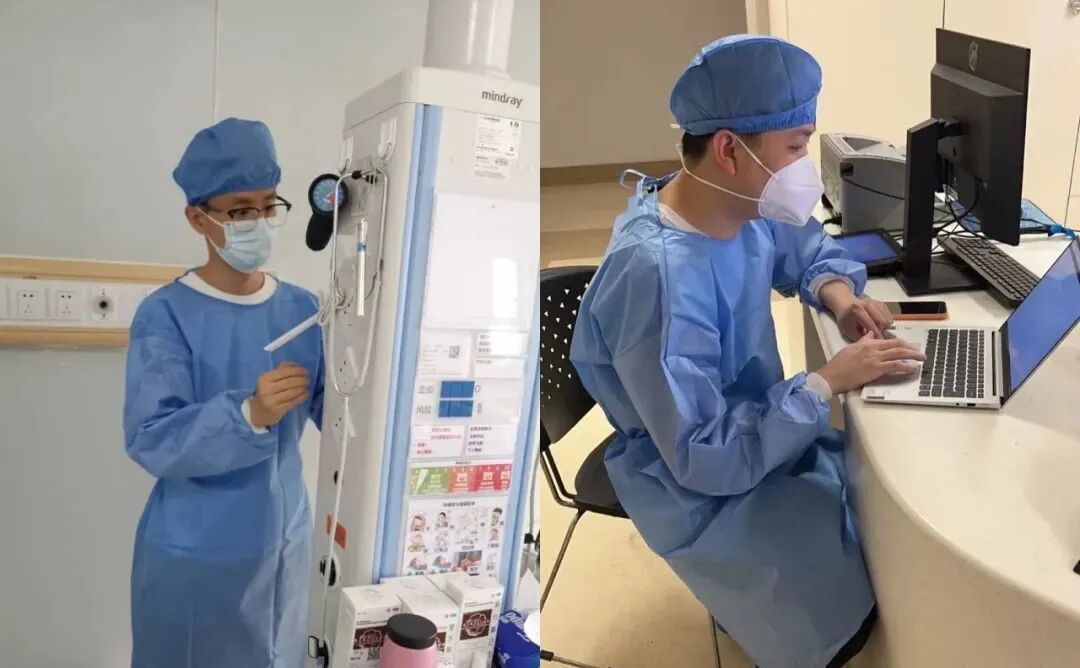
HIS-integrated temperature monitoring at Longhua Central Hospital
The hospital, in Shenzhen’s Longhua District, connected wearable temperature sensors with Bluetooth, its hospital information system and the screens used by nurses — then measured the operational impact in a live deployment.
The challenge: nurses walking to each bed for every temperature check
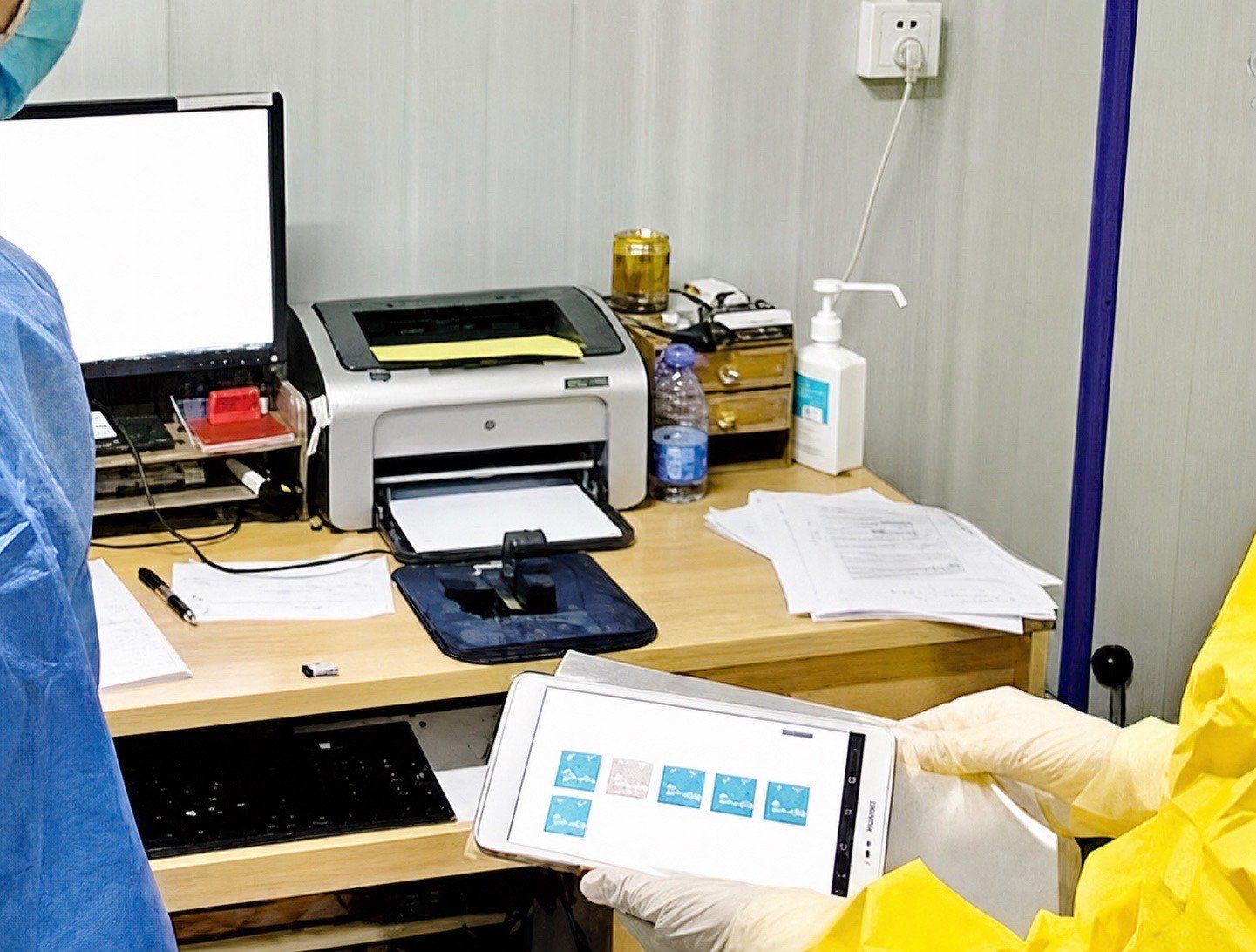
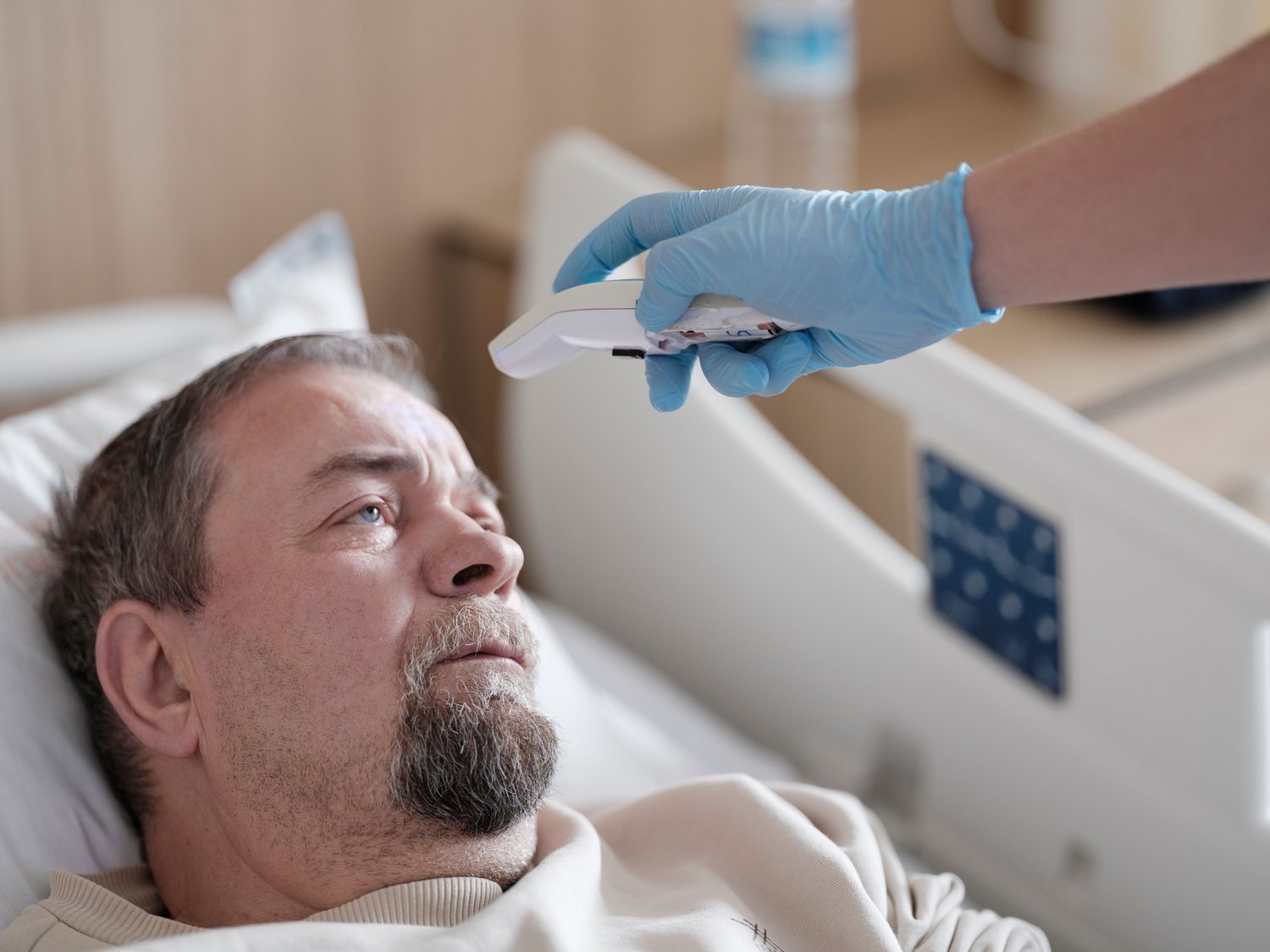
Traditional temperature checks required staff to approach the patient, wait for a measurement, read the result and enter it into a separate record. Repeating those steps across a ward consumed time while still leaving long gaps between data points.
The solution: readings went into the hospital record, alerts to the doctor and nurse
Longhua Central Hospital and P20 designed the deployment around a small axillary sensor that could stay with the patient. The reported measurement error was below 0.1°C, and a new reading could be recorded automatically every three minutes without interrupting normal daily activity.
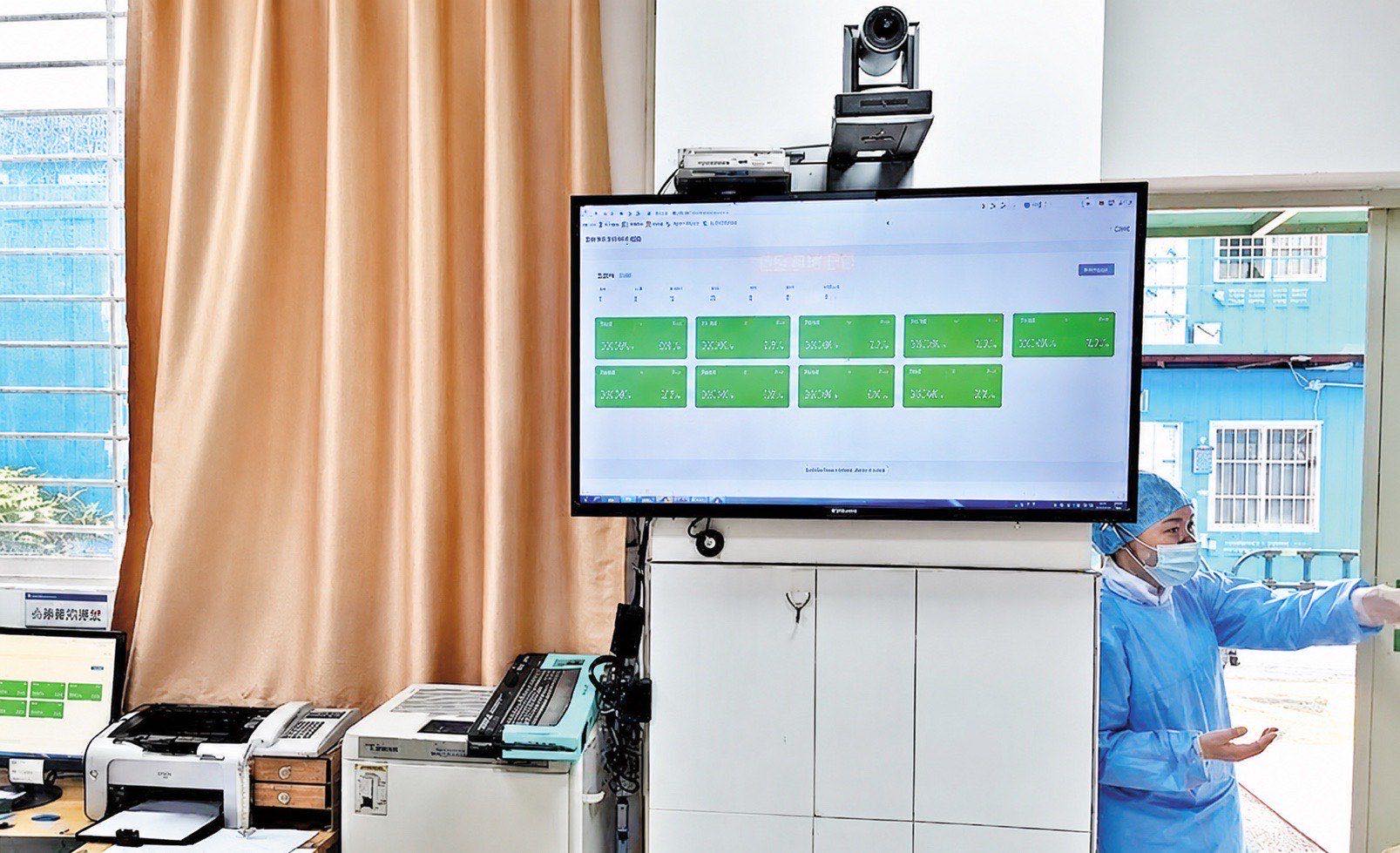
Those readings surfaced on the electronic nursing display as one status tile per bed, and when a rule was triggered the alert went to the responsible doctor and nurse instead of waiting for the next round.
Integration with the hospital information system (HIS) is what separated this from a stand-alone gadget: the sensor was bound to the patient record inside the central monitoring system, where the statistics and analysis modules turned repeated readings into curves a clinician could review.
How it worked: integrating P20 with the hospital information system (HIS)
The project worked because the wearable was integrated into the information path already used by the care team.
Bind the patient
The hospital information system supplied the patient record, then staff linked the sensor ID to the patient and bed.
Collect at the underarm
The wearable gathered axillary temperature continuously while remaining small enough for routine use.
Transfer through Bluetooth
Readings moved through the hospital’s Bluetooth IoT layer to the medical workstation and data center.
Review and respond
Current status, curves and automatic alerts reached the responsible doctor and nurse wherever they were working.
The result: fewer bedside checks and staff hours given back
The reported figures show both the data scale and the reduction in repetitive work after the system went live.
patients monitored, peaking at 21 at the same time
valid readings, collected at three-minute intervals
exception records preserved for review under the configured rules
fewer in-person temperature checks, and approximately 91 staff hours saved
The recognition: a People’s Daily 2020 top-10 healthcare case
The Longhua deployment was selected among the top 10 healthcare cases in People’s Daily’s 2020 China Digital Transformation Success Cases.
Tell us how many units you need — we’ll send specifications and pricing.
Explore other continuous temperature monitoring applications