Wireless thermometer SKD supply / local assembly kits
Are you looking to be recognised as a local manufacturer rather than an importer — to bid on public tenders, meet local-content rules, or reach tariff treatment finished imports never get? Talk to us about our smart thermometer SKD solution! You handle the facility, staff, and local permits, and we deliver the components, the firmware, the app, the certification files, and the assembly instructions your line needs.
Why local assembly beats importing
SKD means semi-knocked-down. We supply the sensor, electronics and parts as a kit, and final assembly, testing and packaging happen at your facility. In many markets that is the difference between being an importer and being a manufacturer.
Policy incentives
Local-manufacturer status unlocks incentives an importer is structurally locked out of, whatever volume they buy.
Public tenders
Public and hospital tenders often require or favour locally manufactured devices, so importing rules you out before price is discussed.
Tariff treatment
Components commonly sit on different tariff lines from finished medical devices, and the gap between the two can decide a whole business case.
A presence on the ground
Assembly builds in-country jobs, technical capability and an after-sales operation your customers can reach.
Importing vs assembling locally
SKD asks more of your operation, and gives back a position an importer cannot have.
| Importing finished units | SKD local assembly | |
|---|---|---|
| Customs classification | Finished medical device | ✓ Components and sub-assemblies |
| Local-manufacturer status | ✗ Not available to an importer | ✓ Achievable where local assembly meets the local rules |
| Tenders requiring local content | ✗ Usually excluded | ✓ Eligible where the local-content threshold is met |
| Your brand | △ On the box, made elsewhere | ✓ On the box, and built by your own operation |
| Setup on your side | ✓ None — receive and sell | △ A site, trained staff and a validated process |
| Time to first shipment | ✓ Fastest | △ Longer — line setup and validation come first |
What an SKD programme covers
What we ship, what runs on it, and what your regulator will want to see.
Hardware — component and kit supply
Sensors, electronics, patches, batteries, enclosures and packaging supplied as a semi-knocked-down kit, with assembly documentation, jigs and test procedures so your line can build to the same standard ours does.
Software — SDK, API and customisation
The companion app under your brand, plus the mobile SDK if you run your own platform. Firmware and app customisation for local requirements — language, thresholds, data residency — is scoped as part of the programme.
Regulatory — documentation support
Technical files behind our Class II NMPA registration and ISO 13485 quality system, plus the manufacturing and process documentation your own regulator will want to see from a local assembly line.
From feasibility study to ongoing supply
It starts with your country's rules rather than with a price.
Feasibility & rules
We review your market's local-content and registration requirements together, and confirm which kit configuration satisfies them.
Kit definition
We agree which parts come from us and which you buy locally, then price both sides and check how customs will treat each one.
Line setup
It is a simple build. We send the assembly and test instructions, show your team how it goes together, and sign off the first batch made at your facility.
Ongoing supply
Scheduled kit shipments, QC reporting, firmware and SDK updates, and engineering support as volumes grow.
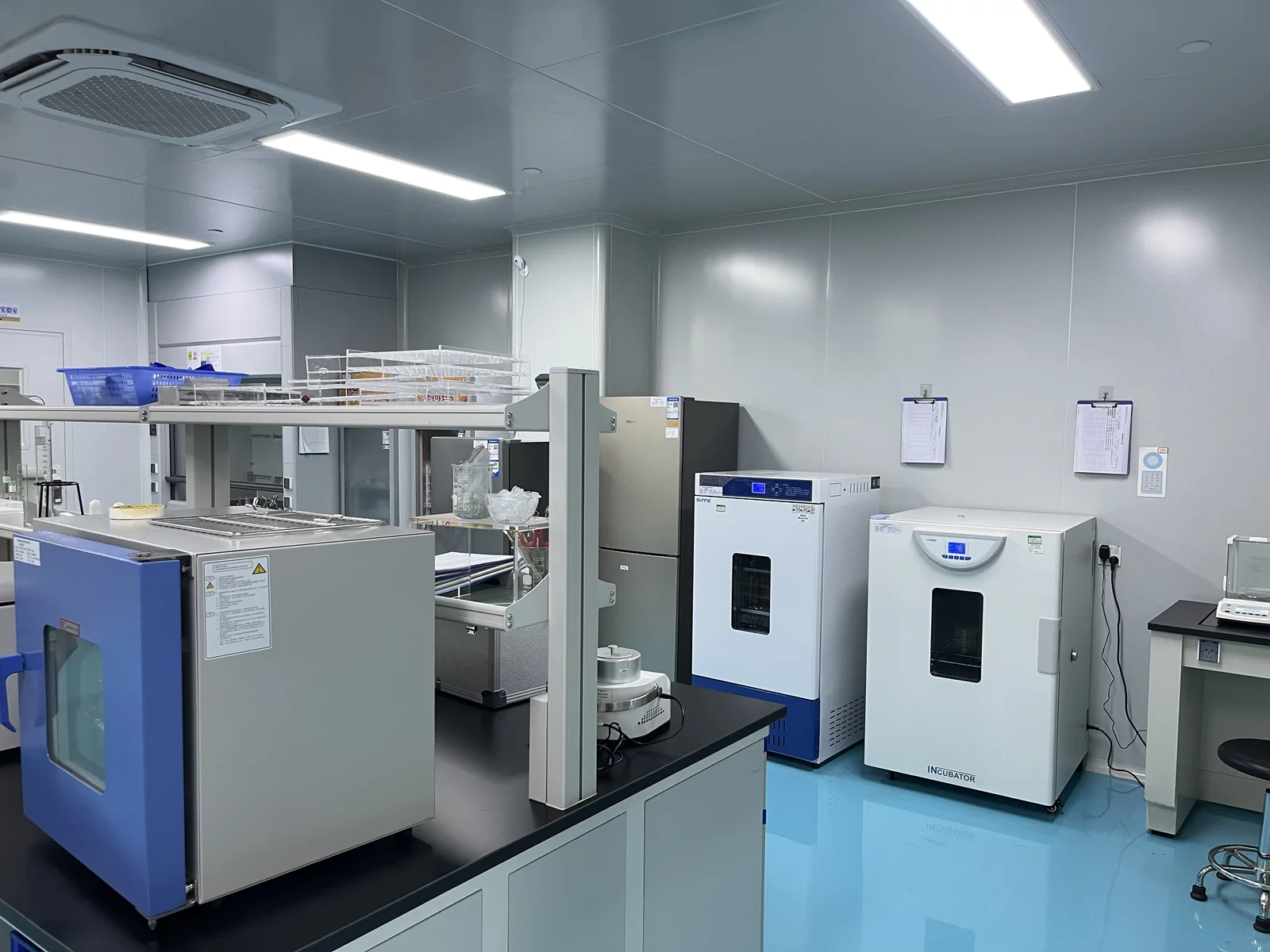
Our production capacity and supply guarantee
Your kits are manufactured at our company-owned plant in Longgang, Shenzhen — licensed under Guangdong FDA Production License No. 20224699 and fully certified to ISO 13485. Assembly, unit-level calibration, testing, and packing all happen on one single floor, ensuring seamless quality control.
We use the same production line for kits as for our finished devices, so you benefit from proven, high-volume capacity and a bill of materials that remains exactly as you validated. Just share your annual volume and delivery cadence — we will confirm a production schedule that fits your timeline.
Trusted by leading events and hospitals
A proven field record smooths local filings and tenders. Our smart wearable thermometer has powered venue operations at Beijing 2022, served hospital networks, and supported a 50-site city-wide deployment — all while maintaining clinical-grade accuracy of ±0.2°C, backed by NMPA Class II registration, and logging over 500 million real-world readings.
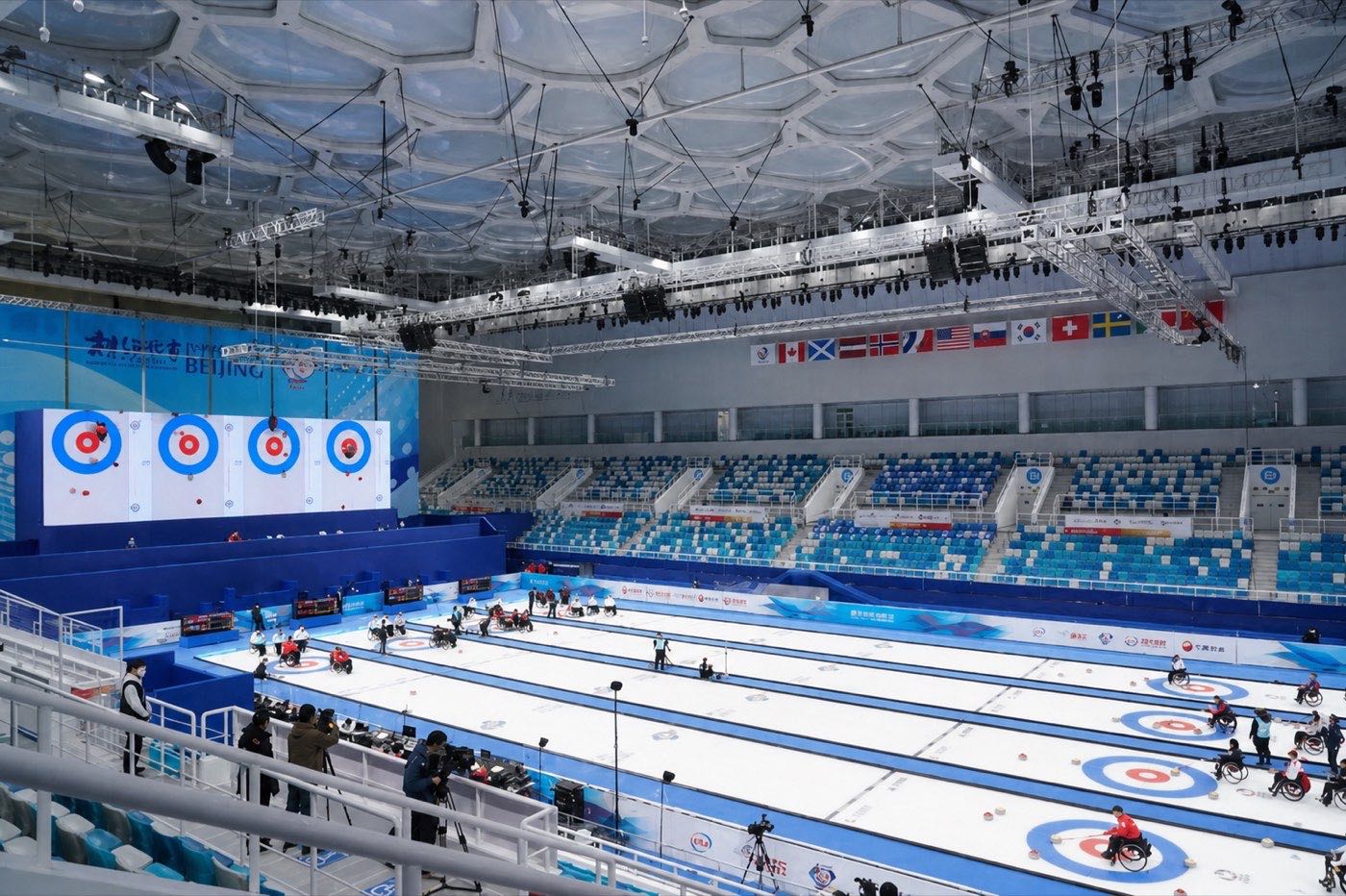 Event
Event 30 days of continuous monitoring behind a Games venue
Three-second sampling and automatic alerts for staff and volunteers at Beijing 2022 — recognised in a letter of appreciation from the venue operations team.
Read the case study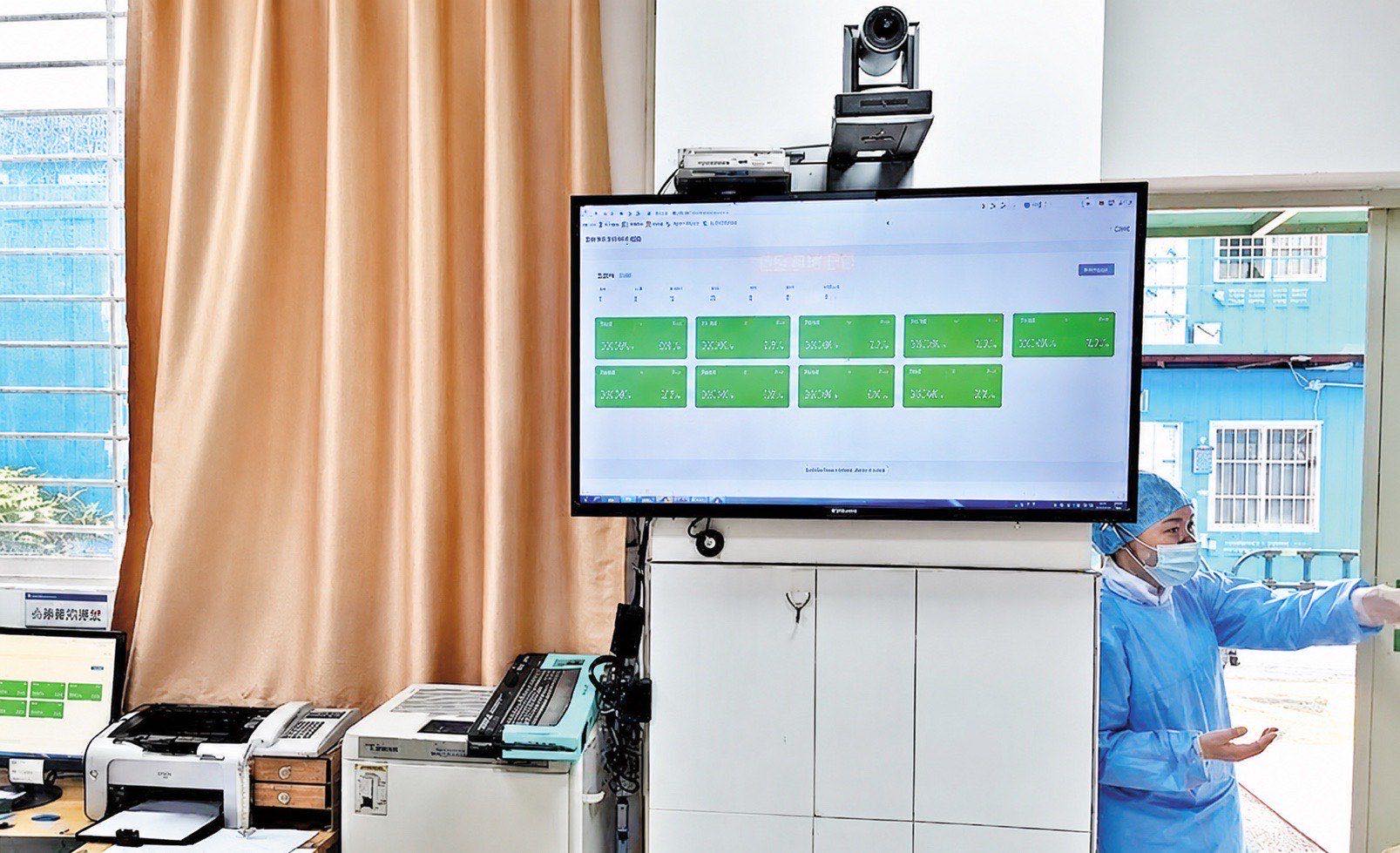 Hospital
 About 91 staff hours saved through HIS-integrated monitoring
183 patients and 50,000+ valid readings at three-minute intervals — selected as a People's Daily 2020 top-10 healthcare digitalization case.
Read the case study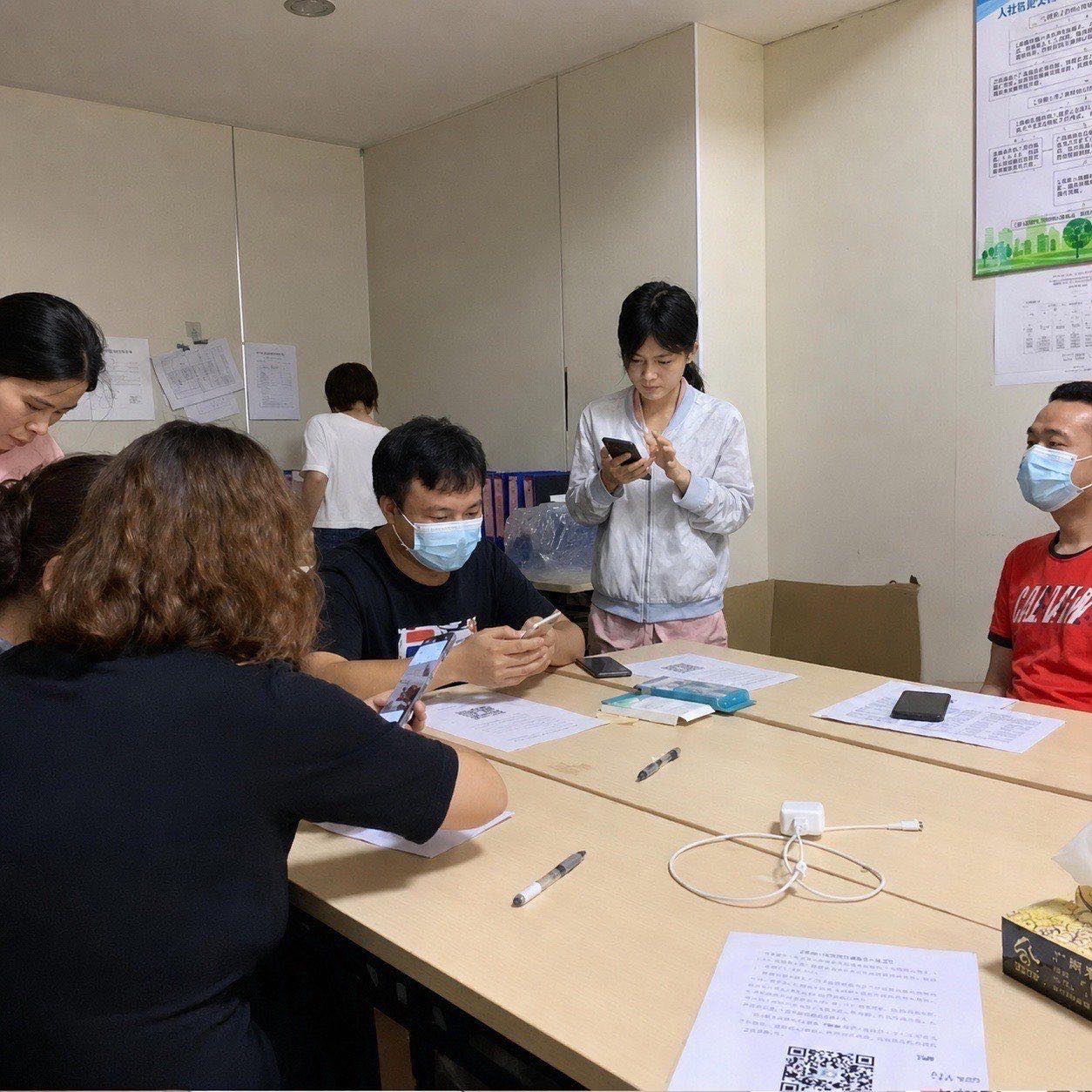 Multi-site
 50+ locations connected to one monitoring view
A repeatable field rollout gave a distributed Guangzhou network one centralised continuous temperature monitoring view.
Read the case study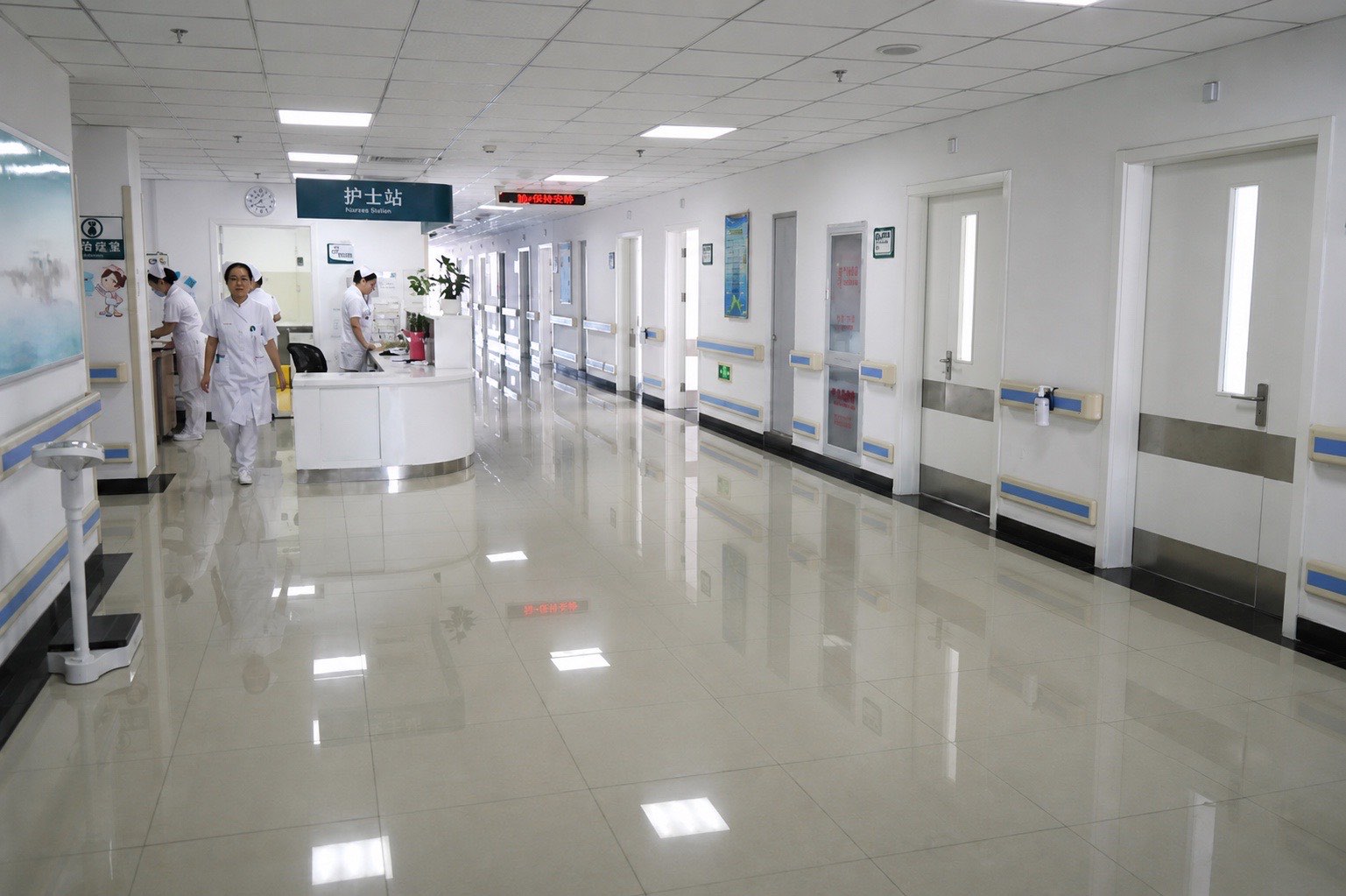 Hospital
 A complete 24-hour curve for every monitored patient
A button-sized underarm sensor and Bluetooth gave nurses at Beijing 306 Hospital the same live temperature curve on three screens.
Read the case study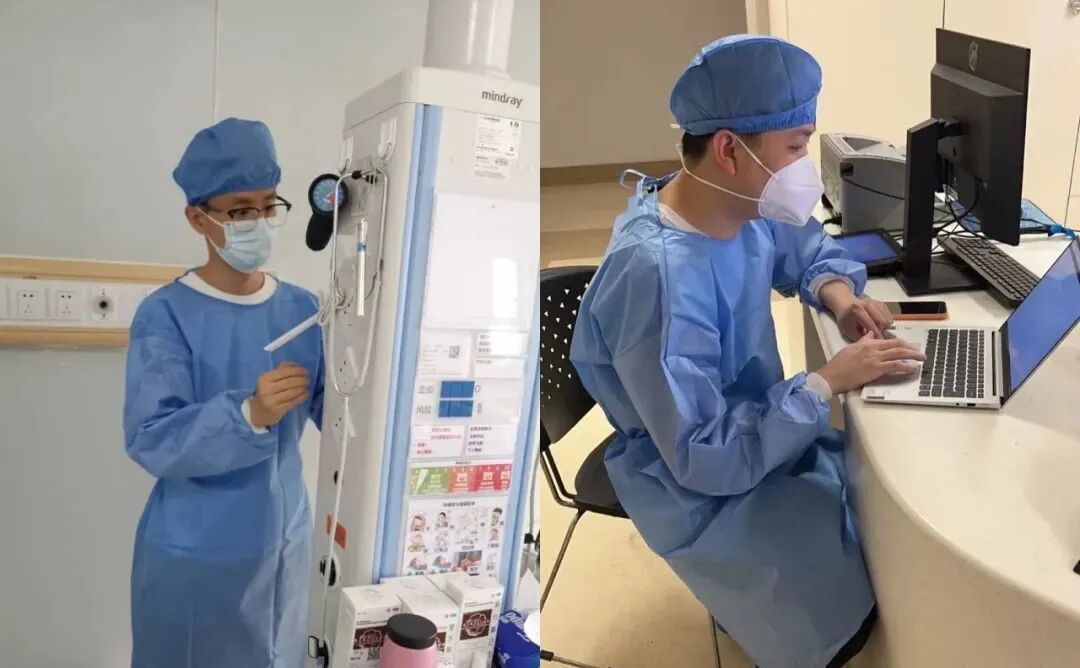 Hospital
 One central view across multiple departments
Wearable group monitoring at Shenzhen Third People's Hospital turned routine observations into a continuous, research-ready clinical record.
Read the case studyMedical device SKD FAQs
What is SKD and how does it differ from importing finished thermometers?
SKD — semi-knocked-down — means the product arrives as components and sub-assemblies rather than as finished units, and final assembly, testing and packaging happen at your facility. The device is the same; what changes is where the last manufacturing step occurs, and how the product is therefore classified and treated in your market.
Will an SKD programme make us a recognised local manufacturer?
It is the supply model that makes local-manufacturer status possible, but the qualifying criteria are set by your own country — typically a local-content threshold, a licensed facility and a registered process. We start every SKD conversation by reviewing those specific rules with you and defining a kit configuration intended to meet them, rather than assuming a single standard applies everywhere.
What do we need to have in place on our side?
A facility suitable for medical device assembly, trained assembly and QC staff, and a process that can be validated and registered locally. We supply the assembly documentation, jigs, test procedures and training, and support the pilot build, but the site, the people and the local licensing sit with you.
What is actually in an SKD kit?
Typically the sensor module, electronics, patches, batteries, enclosure parts and packaging materials, plus assembly instructions, test jigs and QC procedures.
Do we still get the app and SDK with an SKD programme?
Yes. SKD partners receive the same software support as private label partners — a companion app under your brand, and mobile SDK access if you run your own platform. Firmware and app customisation for local requirements is scoped as part of the programme.
What regulatory documentation do you provide for local assembly?
Requirements vary by country, so we confirm the exact document set with you for your market.
How is SKD different from your OEM/ODM programme?
An OEM/ODM programme delivers finished goods under your brand, with no manufacturing on your side at all. SKD supplies components so the final assembly happens at your facility — more work for you, but it is the route to local-manufacturer status and the policy benefits attached to it.
What volumes does an SKD programme require?
SKD involves line setup, tooling and training on your side, so it is generally scoped at higher annual volumes than a straightforward private label order. Volumes are quoted per project once the kit configuration and your market's requirements are defined.