24-hour wearable temperature monitoring at Beijing 306 Hospital
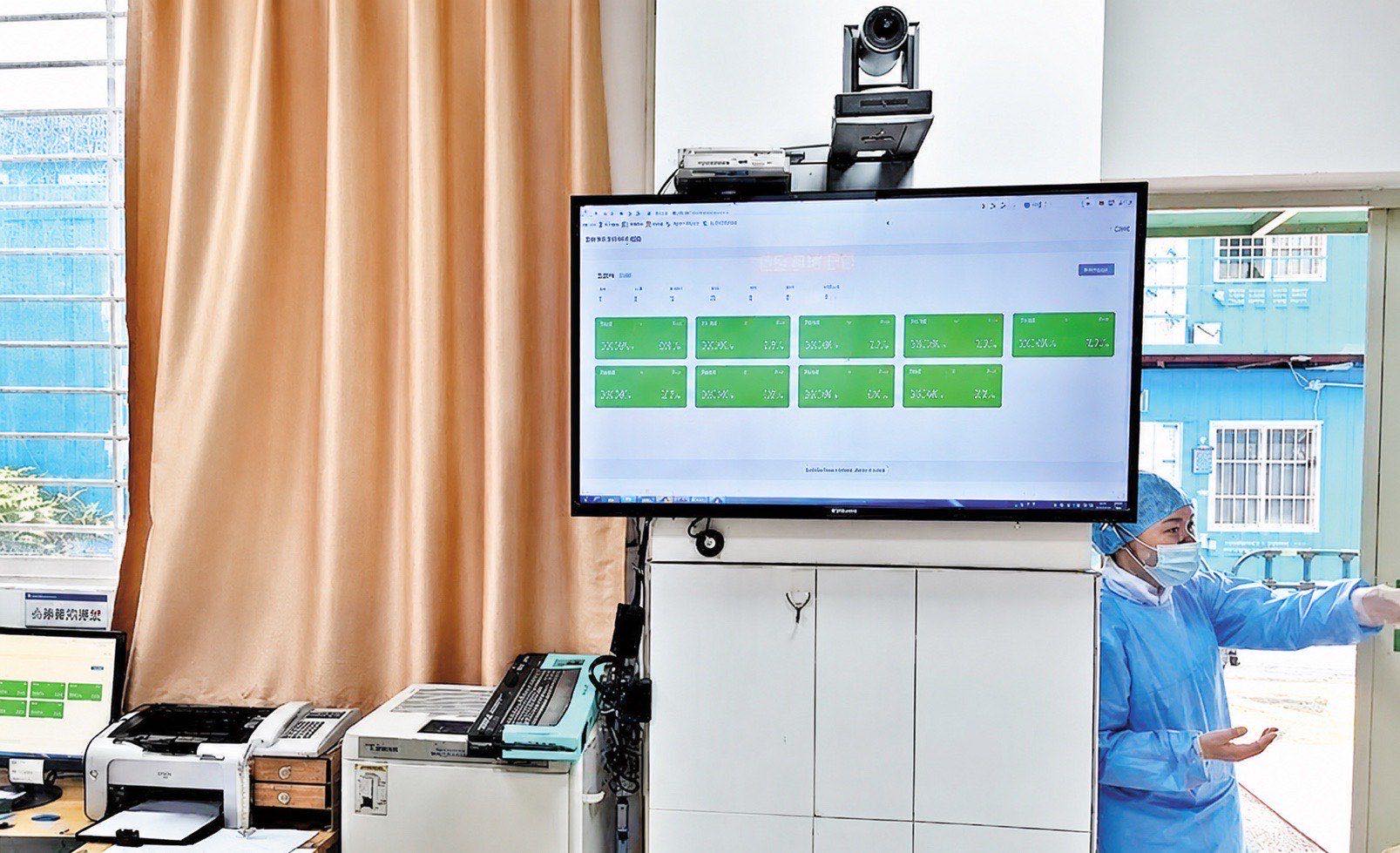
A button-sized sensor and Bluetooth-connected monitoring system gave nurses a continuous patient temperature curve on the computer, nursing display and mobile iPad.
The challenge: spot checks miss what happens between rounds
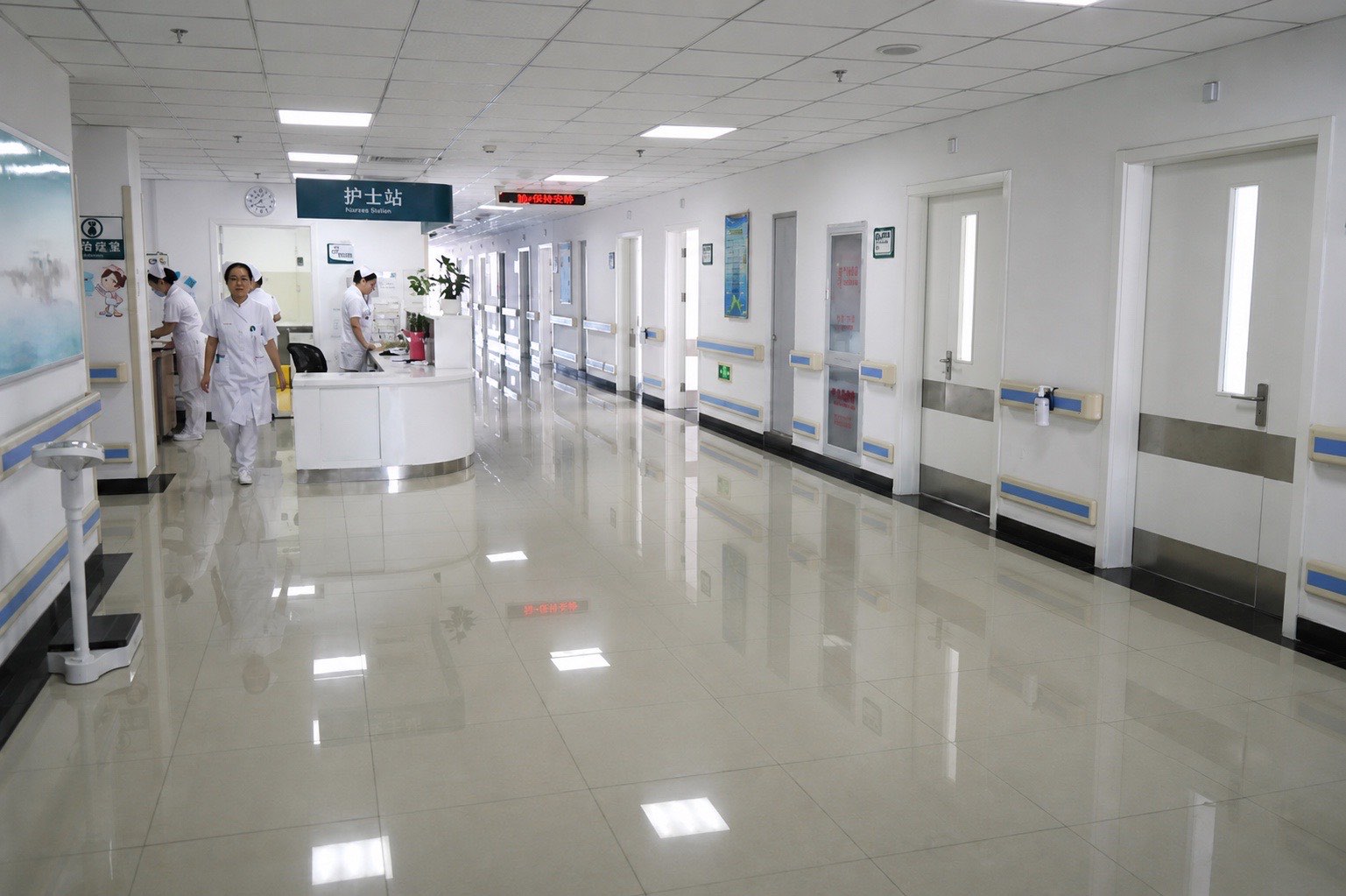
A conventional ward round captures a patient’s temperature at a scheduled moment. It does not show what happened before the check, how long a change lasted or whether the trend continued after staff left the room.
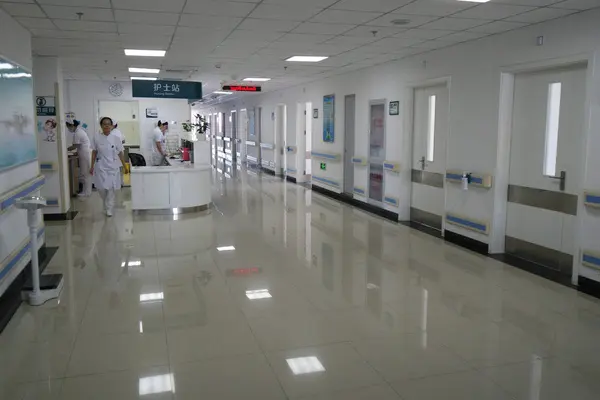
The solution: one 24-hour curve on the workstation, the nursing display and the iPad
Beijing 306 Hospital addressed that gap with P20's button-sized wearable sensor at the underarm and Bluetooth in the patient environment, so each patient temperature reading reached the hospital digital record on its own — nobody entered a value twice.
The system drew the 24-hour curve itself, and the same curve was on the workstation, the shared nursing display and a mobile iPad, as care moves between the station, the ward and the corridor. A shift handed over a trend rather than a column of separate entries, inside the same ward monitoring workflow the ward already ran.
- Less repetitive manual recording
- Consistent information at the station, on the ward and on mobile
- A preserved event history around readings that required attention
How it worked: a wearable sensor feeding the ward system over Bluetooth
The deployment connected measurement, transmission, review and follow-up as one ward workflow.
Measure continuously
The wearable sensor stayed with the patient and collected underarm temperature over time.
Transfer wirelessly
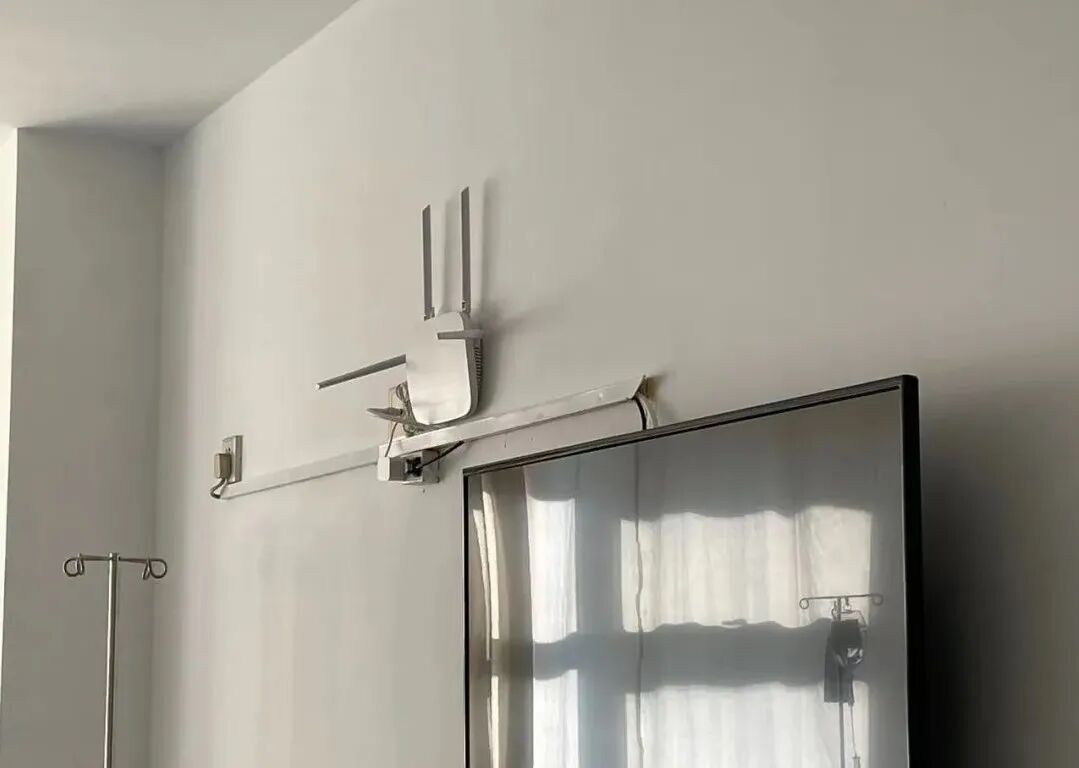
Bluetooth carried readings from the front-end thermometer into the hospital monitoring system.
Build the curve
The backend automatically organized the readings into a complete 24-hour temperature record.
Flag an exception
High-temperature reminders and event records supported timely review and follow-up.
The result: nurses read a trend instead of copying numbers
The project moved temperature monitoring from a sequence of disconnected measurements to a continuous, reviewable workflow.
Nurses could see a trend instead of reconstructing it from separate entries
Automatic alerts drew attention to readings that crossed the configured threshold
A shared digital record improved continuity between locations and shifts
Wearable sensing reduced the manual steps between measurement and documentation
Tell us how many units you need — we’ll send specifications and pricing.
Explore other continuous temperature monitoring applications