Centralized patient temperature monitoring at Shenzhen Third People’s Hospital
The hospital deployed P20 across multiple departments to reduce repetitive temperature collection and turn routine observations into a continuous clinical data record.
The challenge: spot checks weren’t enough
Every reading meant a nurse at the bedside, a number written down and transcribed again. Between two rounds there was nothing, and readings from different departments never met in one place.
What the hospital needed
- Reduce time spent collecting, transcribing and consolidating routine temperature readings
- Review continuous trends during postoperative recovery instead of relying only on separated measurements
- Compare temperature changes with medication response and treatment timing
- Support future research into relationships between temperature patterns and clinical conditions
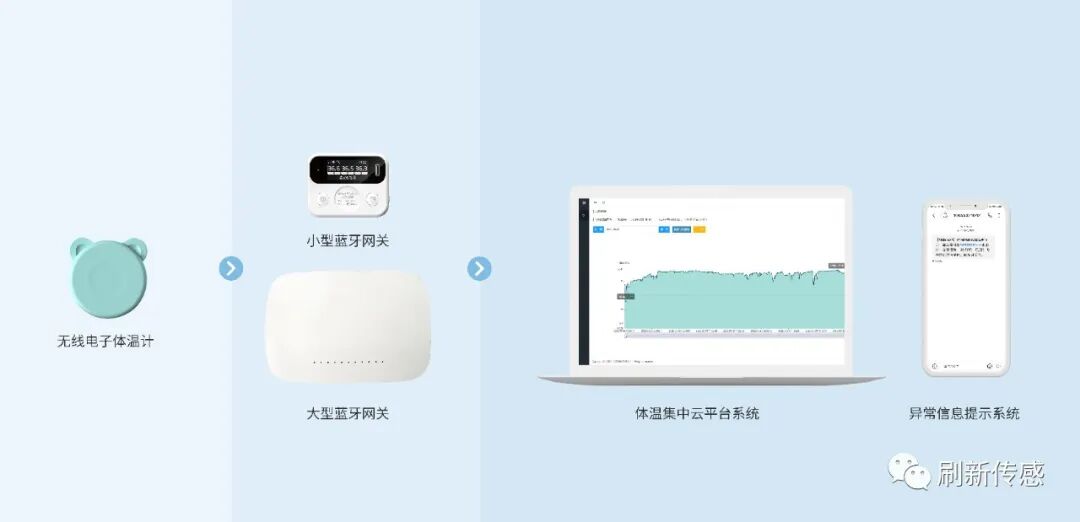
The solution: turning patient temperature into a continuous clinical data record
The deployment linked four working layers: a wearable wireless thermometer at the patient, Bluetooth gateways in the care environment, a centralized monitoring platform and abnormal-temperature notifications.
Together, those layers changed temperature from an isolated value written down at intervals into a continuous record that authorized teams could review across a group of patients.
- Patient-side wearable sensing
- Wireless transfer beyond the bedside
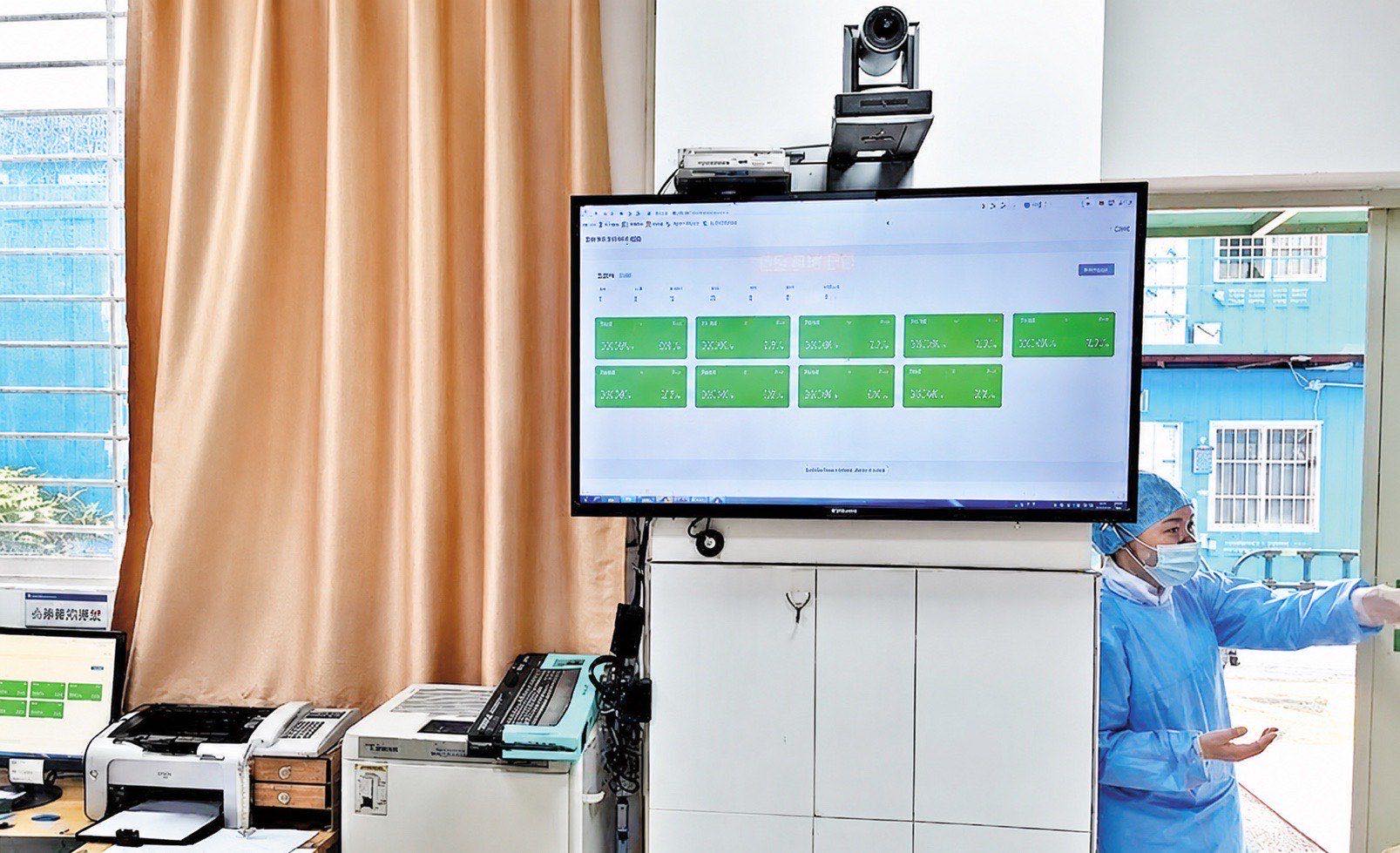
- Centralized curves, group status and exception screening
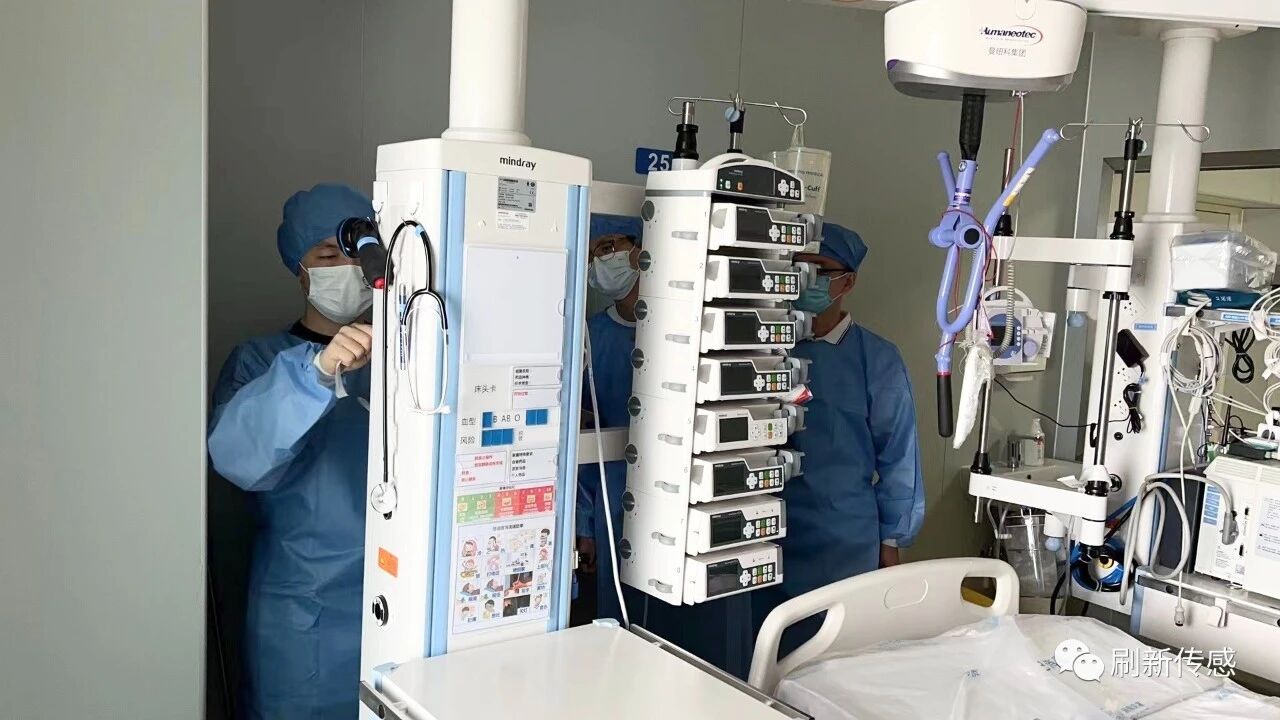
How it was set up: sensors, signal and logins
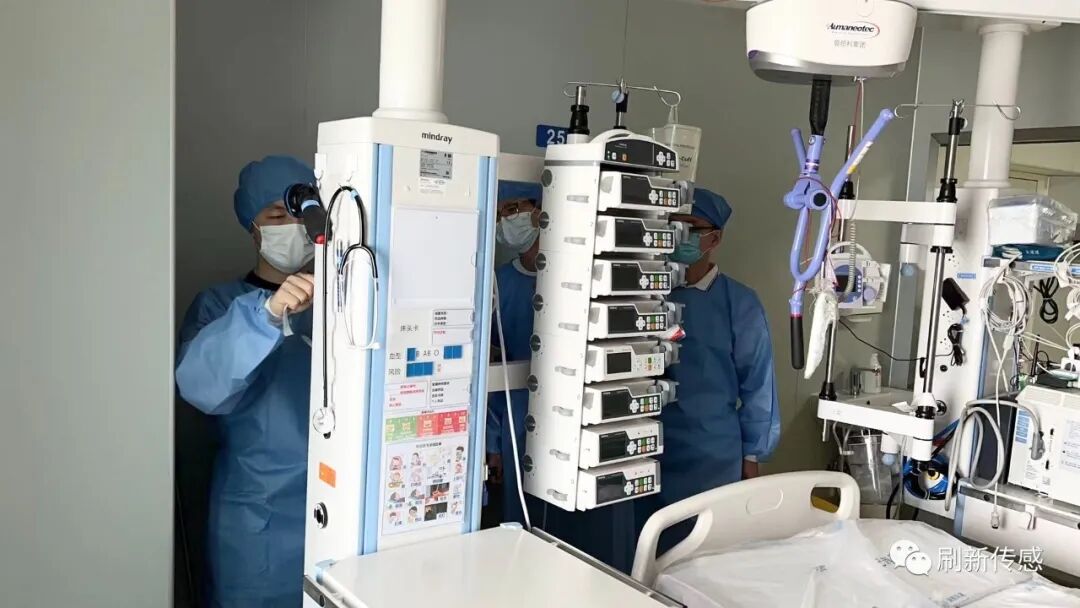
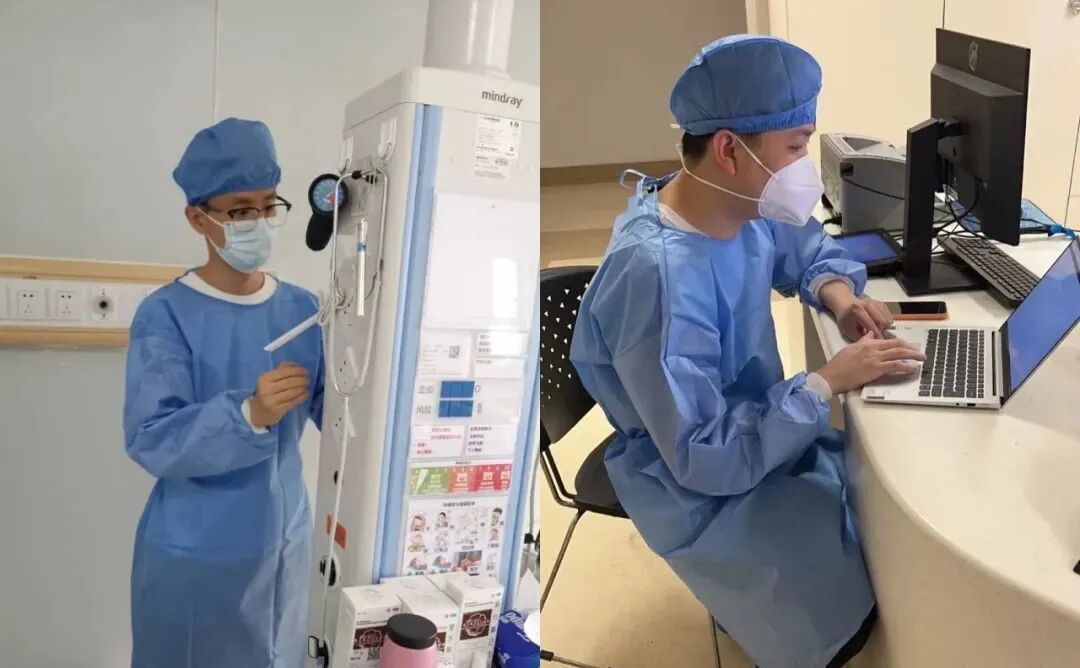
Hospital staff verified sensing, connectivity and platform access inside the clinical environment rather than treating the project as a separate IT installation. That on-site work mattered because a group-monitoring platform only succeeds when device handling and data review fit the daily ward routine.
With the workflow established, nurses could screen many patients from one platform while the same records remained available for trend review and future clinical analysis.
The result: a reusable clinical data record for care and research
The deployment connected routine patient observation with a broader hospital goal: making continuously collected physiological data useful to both care and research teams.
Central group monitoring reduced dependence on separate manual records
Real-time exception screening helped staff focus attention where it was needed
Continuous curves preserved changes that can be missed between scheduled checks
The structured record gives care and research teams one shared, reusable data foundation
Tell us how many units you need — we’ll send specifications and pricing.
Explore other continuous temperature monitoring applications